
Where All the Critters Are Critter-ing and None Are In A Rush
July 30th – 31st, 2026
What is the rush? I, and probably like many of you, am constantly finding myself in a state of emergency. Go, go, go. Do, do, do. But when I take the time to notice the world around me, I notice the lack of urgency. The nonchalant way in which the plants and animals go about their days.
Fall is among us – how can you not notice mother nature’s autumn palette? And with that being said, Winter is creeping within earshot. Those long Summer days are now gone – replaced by longer and darker evenings.
If there was ever a better time to remind ourselves of the okay-ness of just being, it is this time of year. Slow down. Take rest.
Since moving back to Middle Tennessee, I have found a home in a new yoga studio. One that is less focused on yoga as an exercise – repetitive heart-rate spiking vinyasas. Rather this particular studio shifts the focus back to yoga as a spiritual journey with heavy intention on the mind-body connection that the practice naturally promotes. At the studio, we have been diving into the idea of darkness. The idea of yang. The knee jerk we have to it. The learned dark = bad mindset. But the plants and animals do not do this. Do they notice the change? Yes. Do they begin to shift their habits and routines? Yes. But do they give in to the doom and gloom – labeling the winter, the abundance of darkness as bad. As negative. No. And I think I could learn from this. Reminding myself of the Buddhist practice of noticing, going inward, and seeing things for what they are – rather than letting what I feel temporarily shape my actions and thoughts.
So, long story short, what did I discover at Theodore Roosevelt National Park: Bison, falcons, butterflies, horses, pronghorns, prairie dogs, coyotes, hares, rattlesnakes, deer. All in no rush. And if you decide to visit this park, I suggest you take and practice this “easier said than done” mindset along with you.
North Unit VS South Unit
One of the first things you’ll find out about the park is that there are two units. Roughly an hour drive apart. Both units have their charm, and IMO, both units are worth visiting. Continue reading below to learn more about where we stayed, what we did, and what we saw in each unit. But readers (and critter enthusiasts) beware, if you’re like Amory and I and are wanting to lay eyes on all the types of critters and things – be sure to adopt the mindset above, repeating the mantra “This is not an emergency. And I am in no rush.”
It took Amory and I many hours of cruising around or just sitting and watching to see all that we saw in the park. Seriously. We drove the scenic loops many times. Walked the trails for miles knowing that they didn’t lead to any where in particular (seriously, most just go through miles and miles of grasslands). But it was well worth it. The lack of rush and the abundance of time allowed us to truly get a feel for what this park has to offer. While many say it is one you can check off in a day, I disagree. Keep reading for why – I shan’t be gone long, you come too.
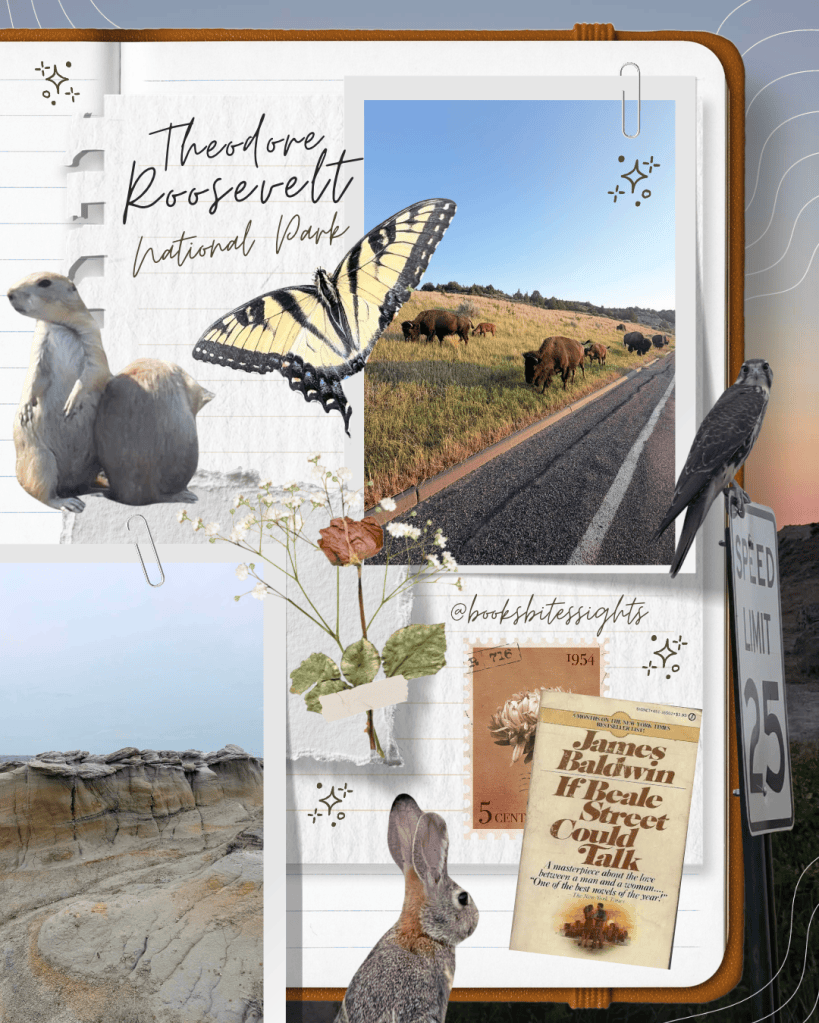
Books
If Beale Street Could Talk by James Baldwin
4/5 stars
Loyalty. Even in the face of hardship. Particularly in the face of injustice.
I have always considered myself a loyal, devoted person. And at times, unreasonable so – especially for those that I love. But if tested, would this trait I pride myself on withstand? This was the existential question ruminating in my gut (because where else does loyalty lie?) and on repeat in my brain after reading my first Baldwin novel (whom’s writing I quickly fell deeply in love with and have since finished two more).
This novel follows 19 year-old Tish, and her fiancé, Fonny. Fonny being imprisoned on false accusations, and Tish being pregnant with their child. And as the novel progresses, you wonder, could or would my loyalty endure? Should loyalty endure? Where do we draw the line in the sand when it comes to acting on our loyalty?
This novel is also a reminder of the grand injustices people of color experience in America. Racial bias negatively and disproportionately effects the treatment of people of color in our county, especially in our justice system. While this novel is fiction, unfortunately it is rooted in truth.
PS: I haven’t seen the movie. Worth the watch? Let me know below.
Bites and Sights
North Unit
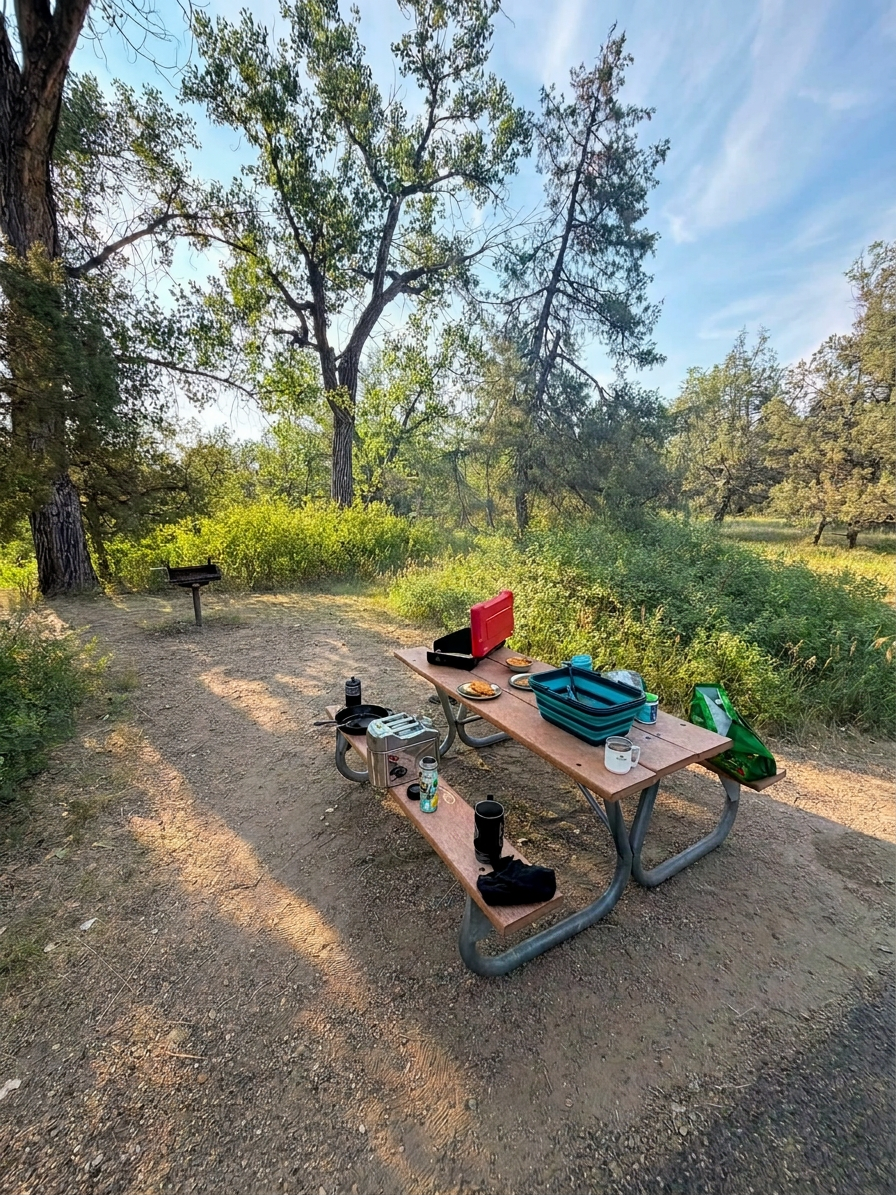
Where We Stayed
Juniper Campground
- All the basics: flush toilets, sinks, birds, birds, and more birds
- $20 a night
What We Did
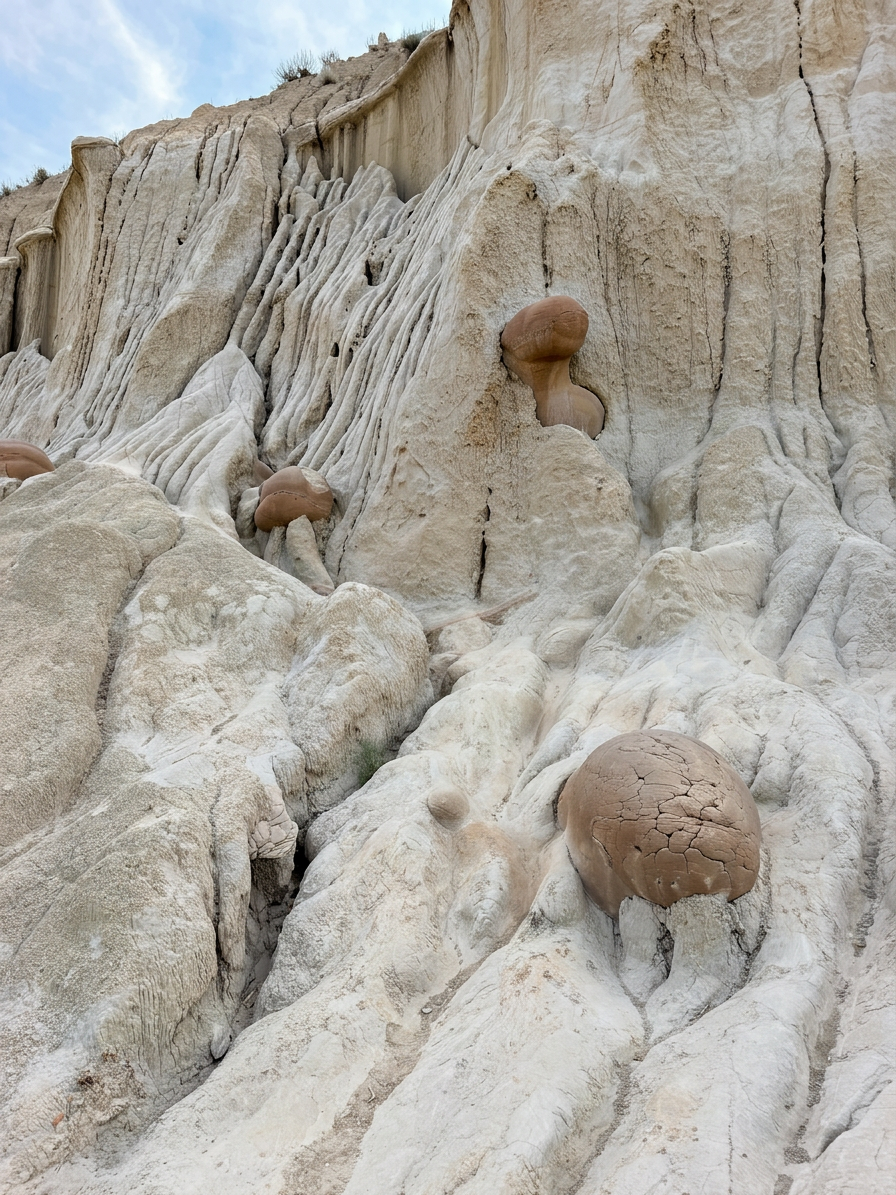
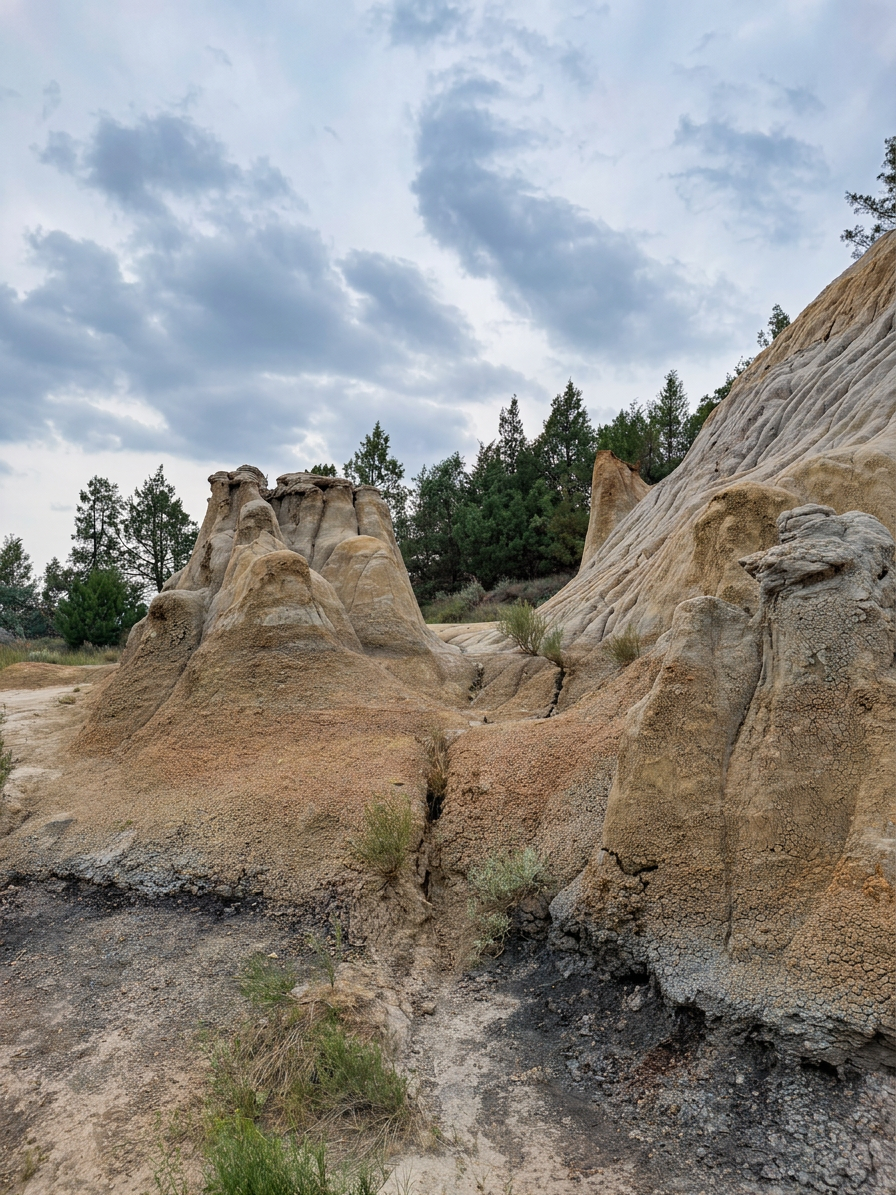
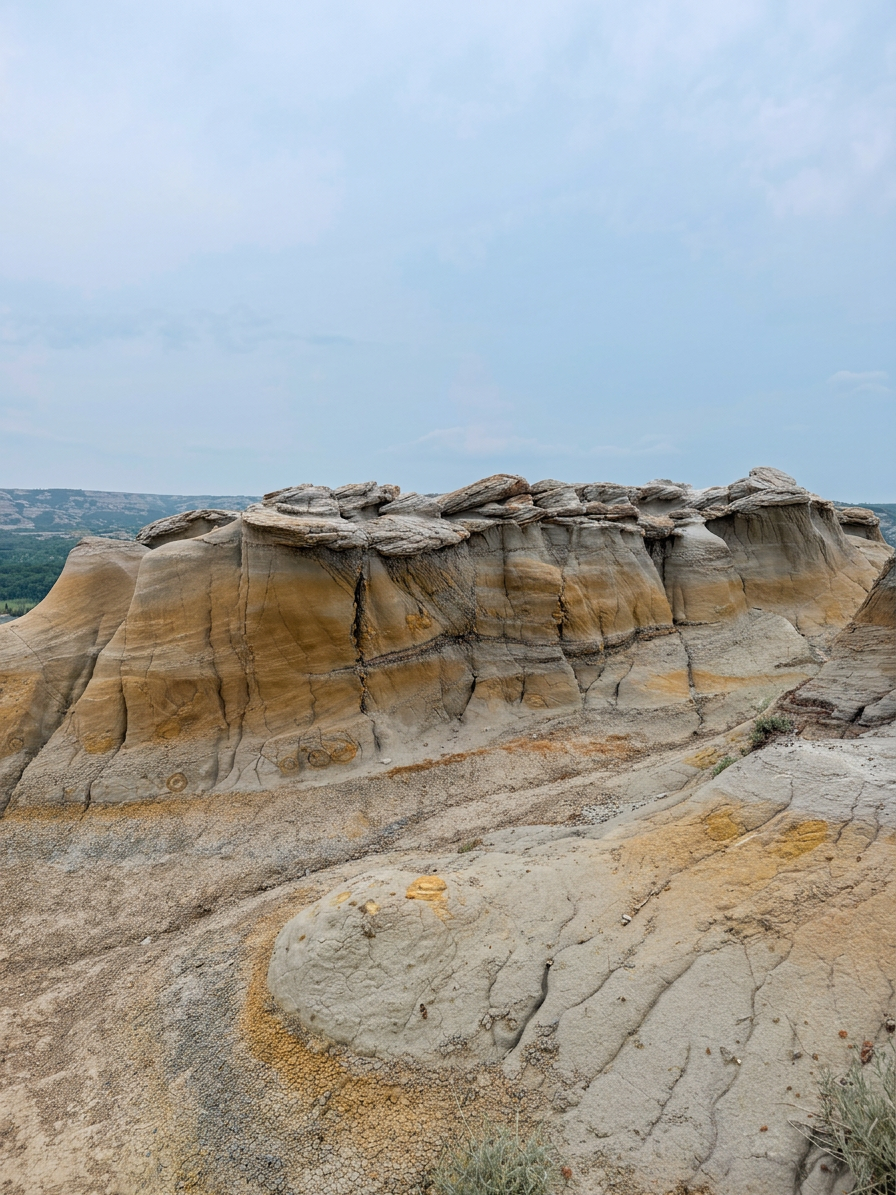
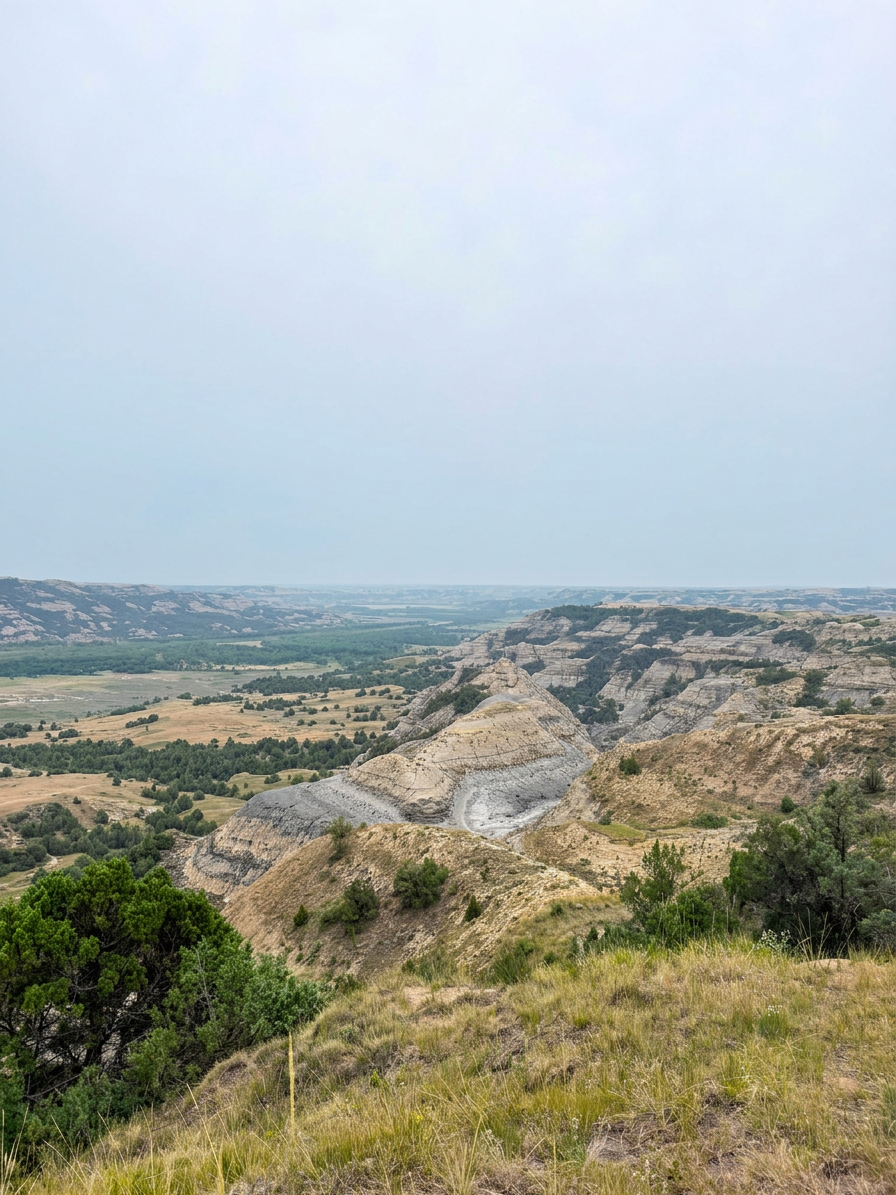
- Hike the Caprock Coulee Loop: a 4.2 mile scenic loop that follows along the scenic road at times and features the Little Missouri River. This trail includes all the major scenic pullouts off the scenic drive; Be sure to swing by the nearby sandstone Cannonball Concretions at the start of the trailhead; And beware, and be on the lookout! A prairie rattlesnake crossed my path on this trail – only three feet away, a little too close for comfort, eeek!
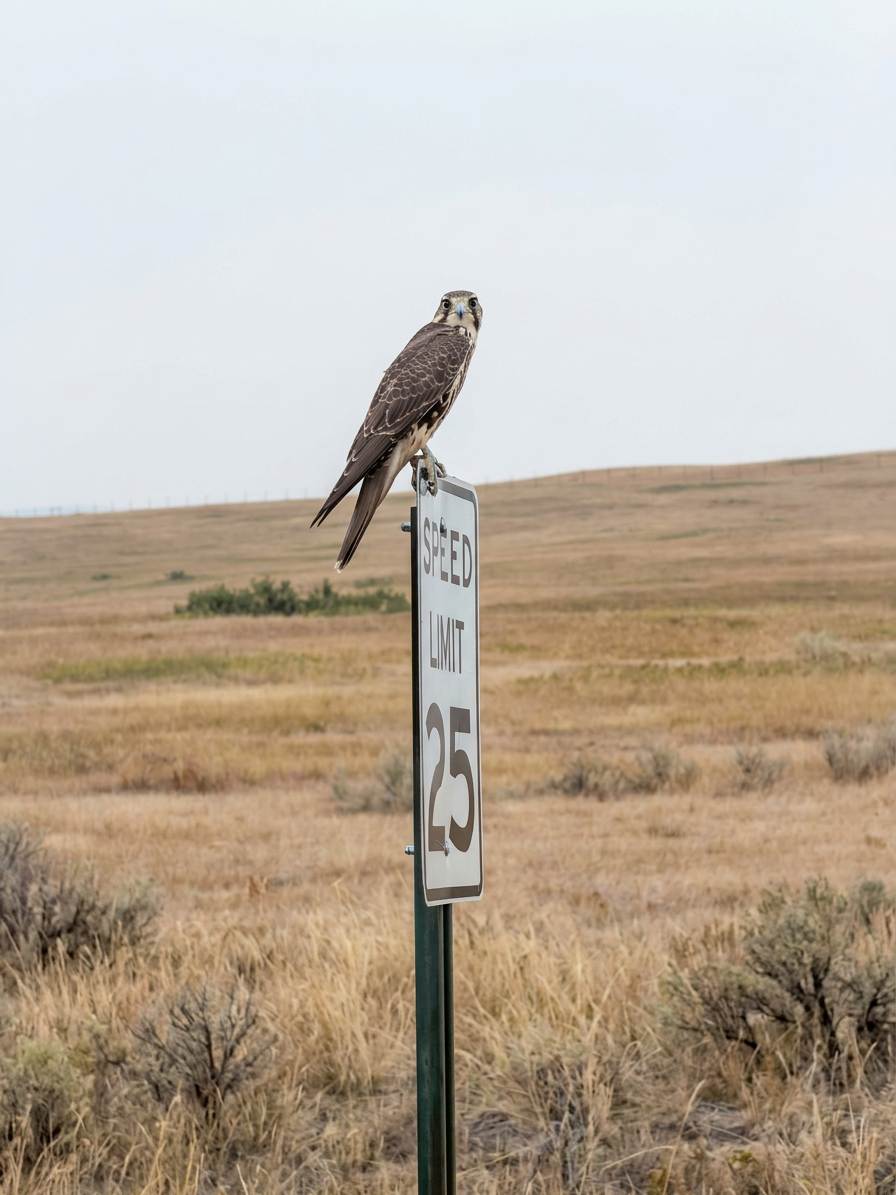
- Drive the out-and-back scenic road out to Sperati Point via Achenbach Trail: a gentle 2.5 miles in-and-out trail with opportunities for birding and spotting grazing bison; Amory and I saw a lone prairie falcon perched on a road sign as we drove the scenic road, so don’t forget your binoculars – critters may be abundant in TRNP, but if you want to really see them, you’ll need a pair of Nocs.

Amory and I’s go-to binoculars are the standard issue 8X25 waterproof pair from Nocs Provisions. If you’re new to wildlife viewing or birding, I highly recommend them – easy to use, lightweight, durable, and budget friendly.
South Unit
Where We Stayed
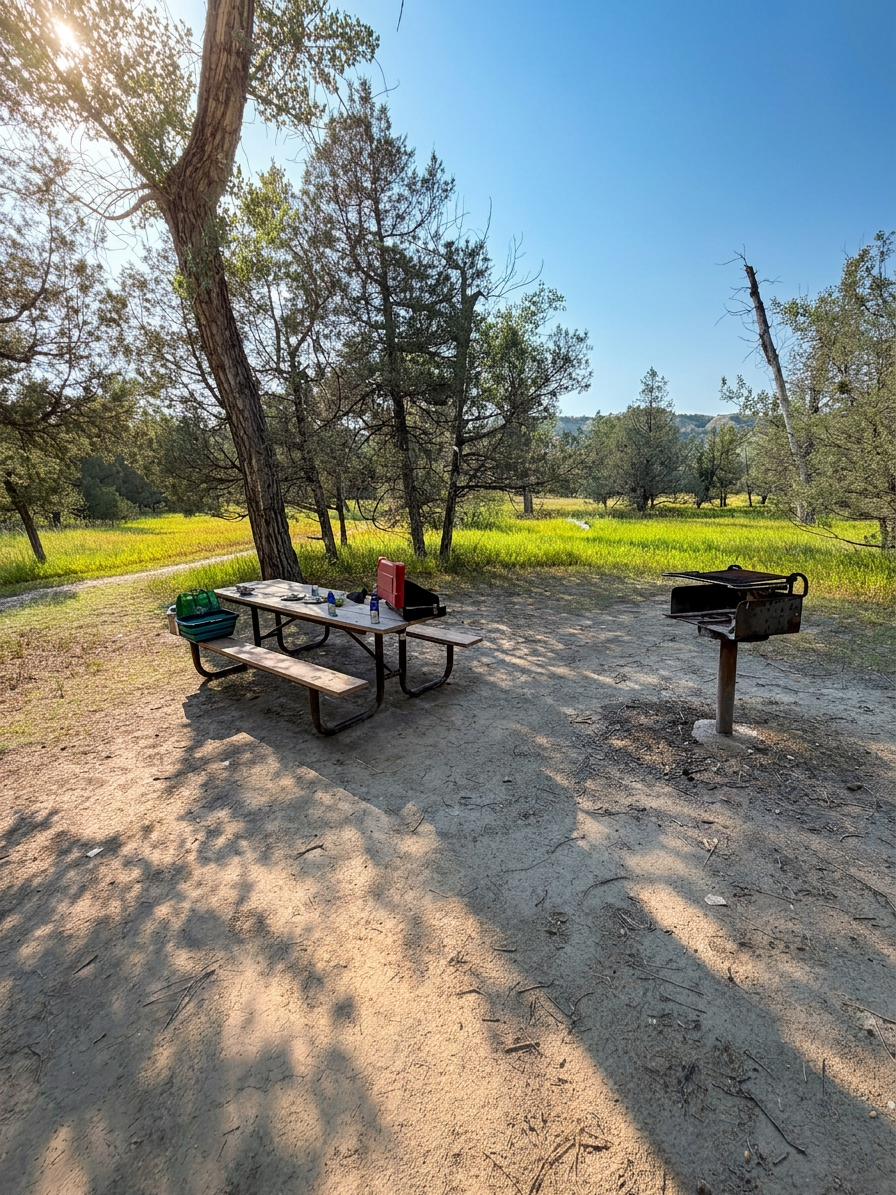
Cottonwood Campground
- All the basics; flush toilets, sinks
- Near the entrance (10 minutes) and right off Scenic Loop Drive
- $20 a night
What We Ate
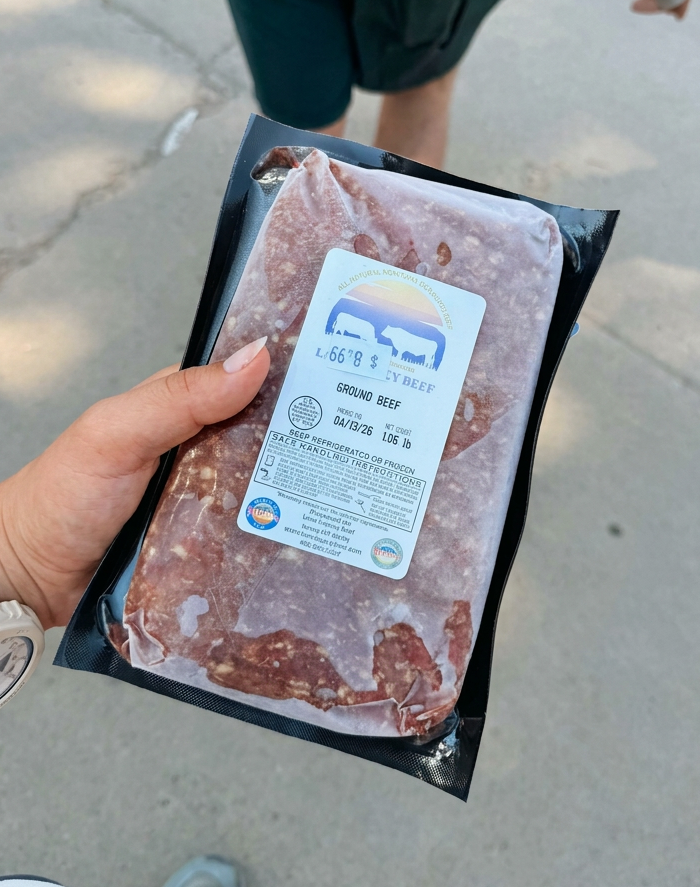
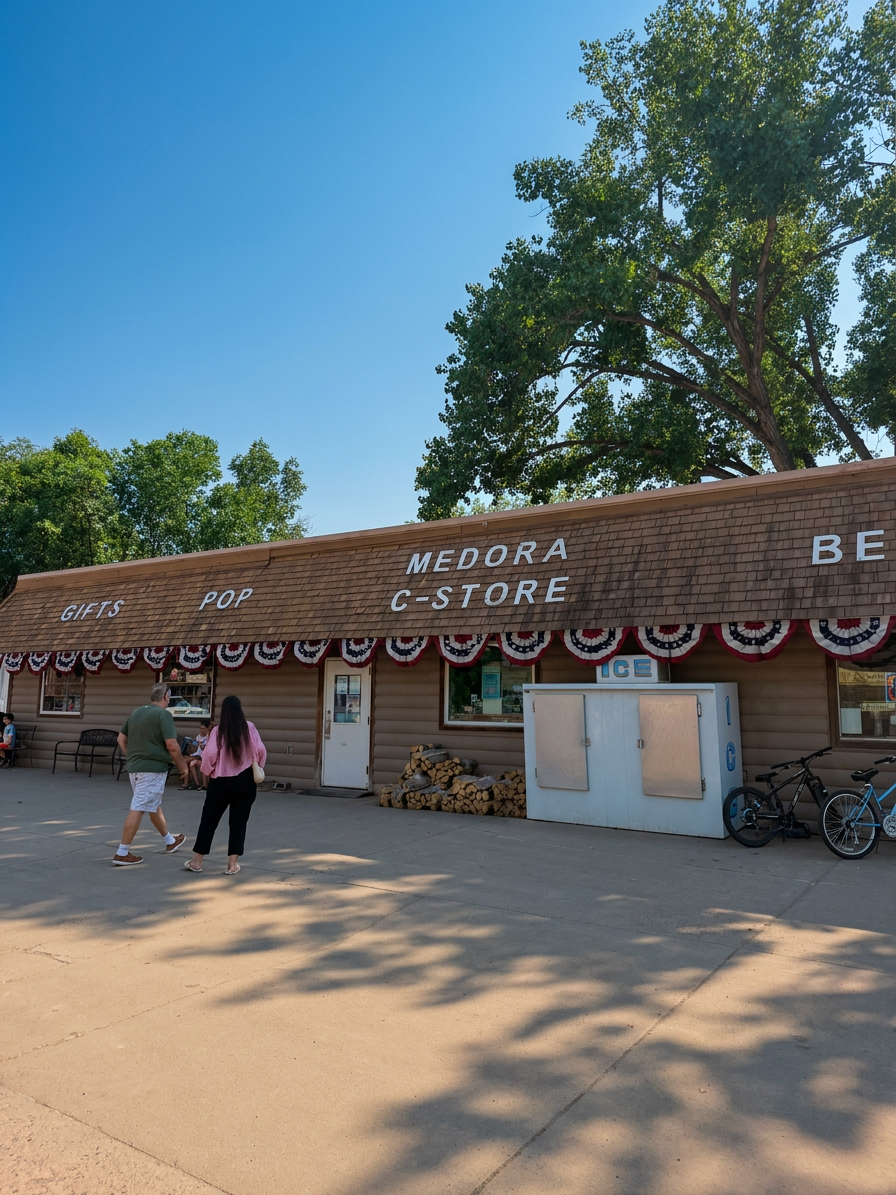
Looking for souvenirs, ice cream, or a bite to eat when exploring the South Unit? Stop by (literally stop by – its a on the way to the entrance of the park) the historic Western gateway town of Medora, but don’t expect too much (unless you love tacky gift shops and such). We went into town in search of something to cook for dinner, and we were directed to the nearest convenient store (not a grocery store in sight), Medora C – Store. Luckily they did have a freezer in the back with local ground beef. Perf.
What We Did
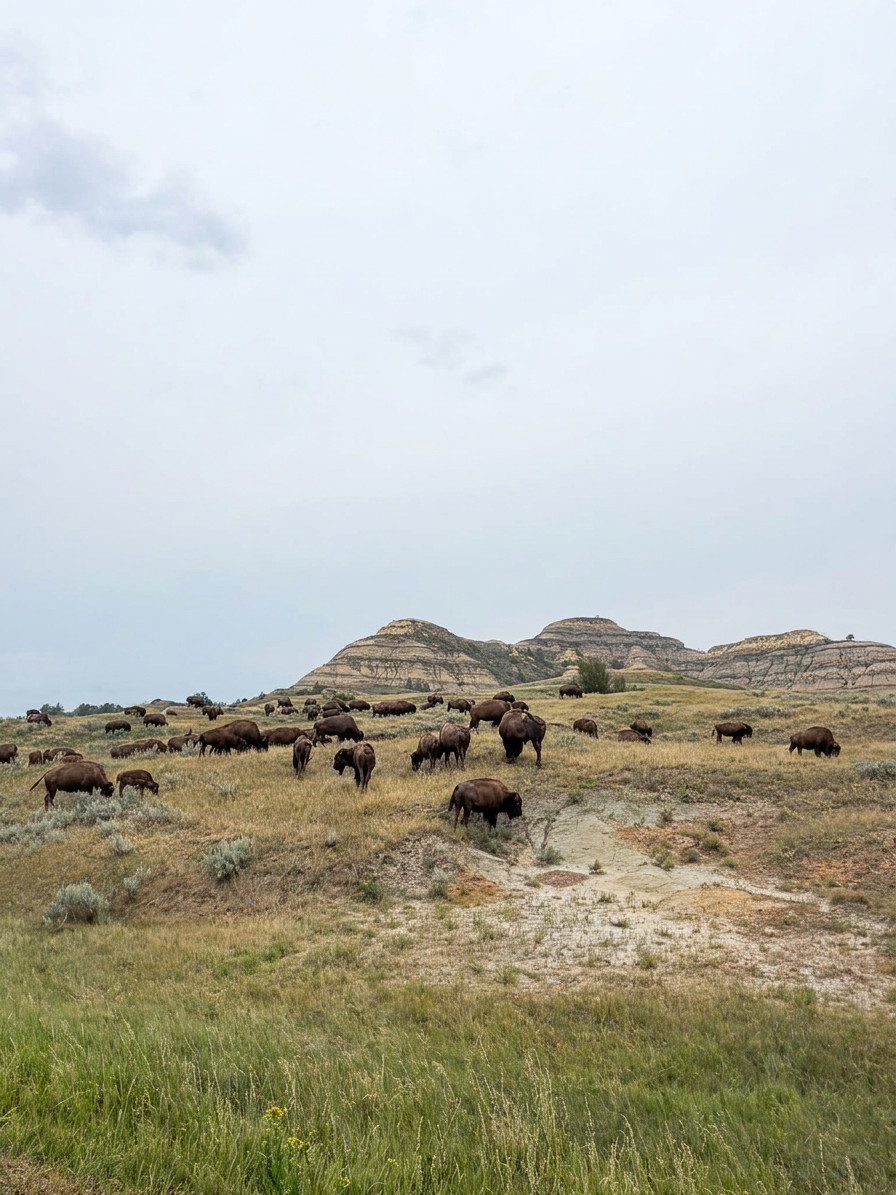
First and foremost, drive Scenic Loop Drive. Along the way, you’re destined to be caught in a traffic jam with a herd of buffalo. Again – remember, you’re in no rush. And trust me, neither are they.
As Amory and I drove, we pulled over both intentionally and spontaneously. After hours of Reddit research, I found where (and when) the hot spots were for spotting certain critters within the loop; being sure we marked those spots on our maps. Other times we stopped when it felt like we should.
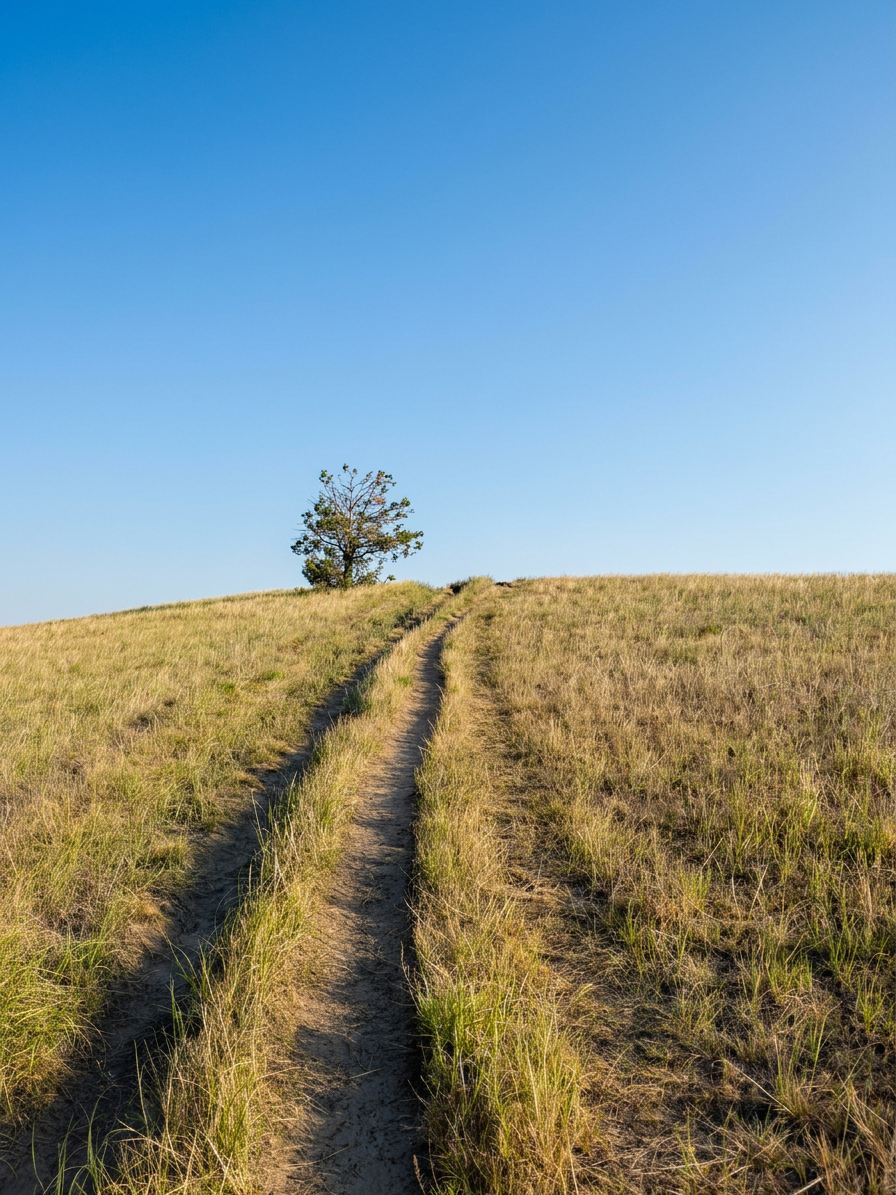
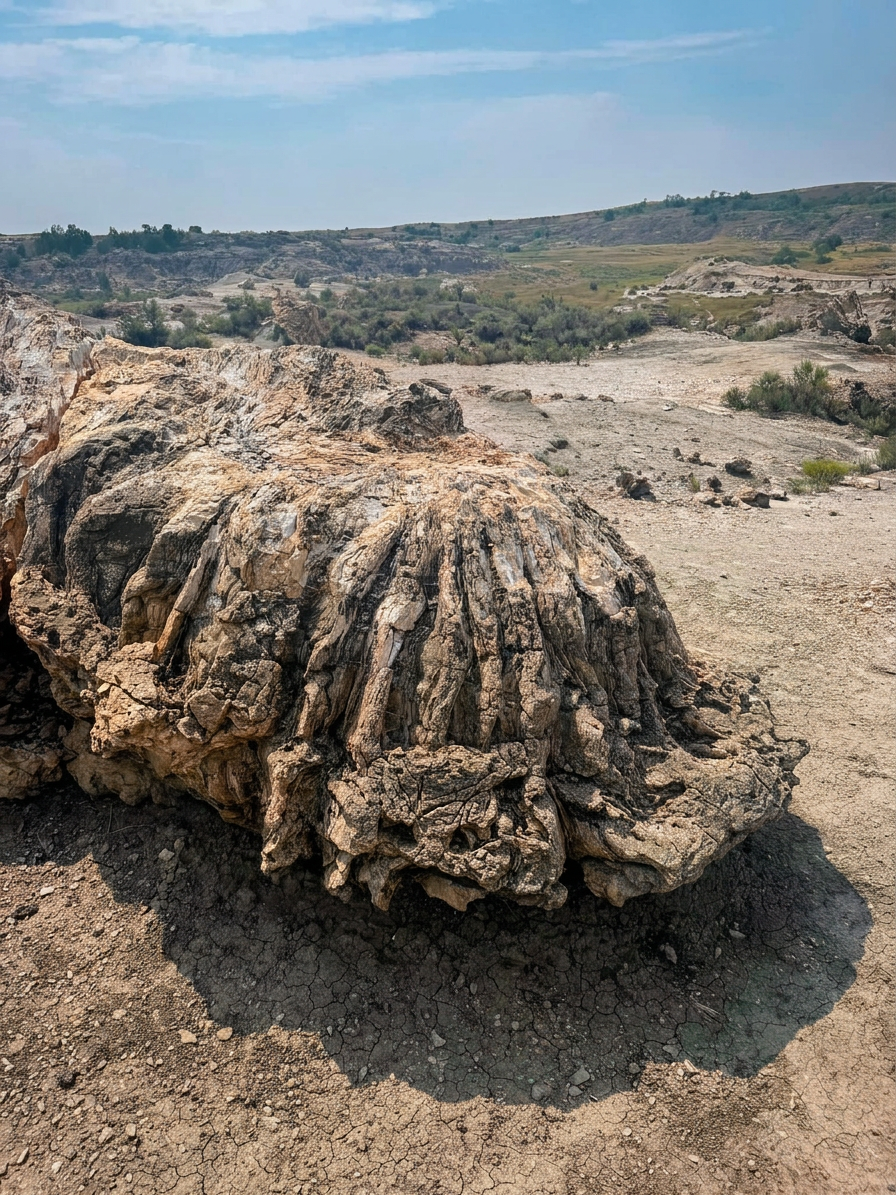
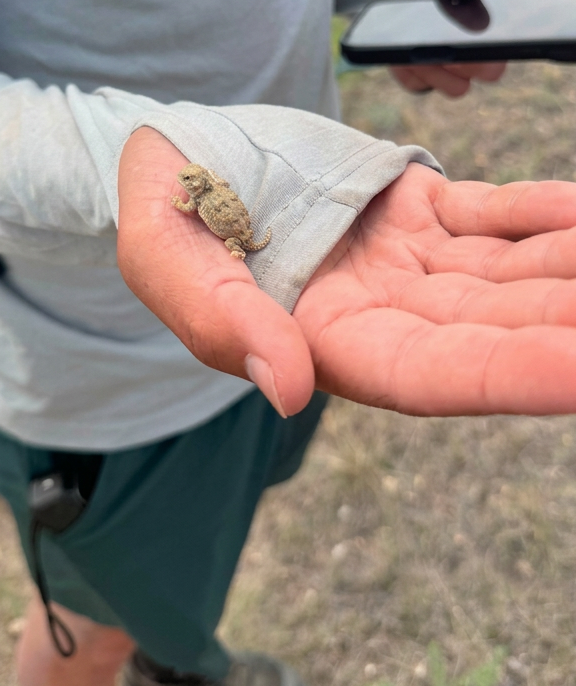
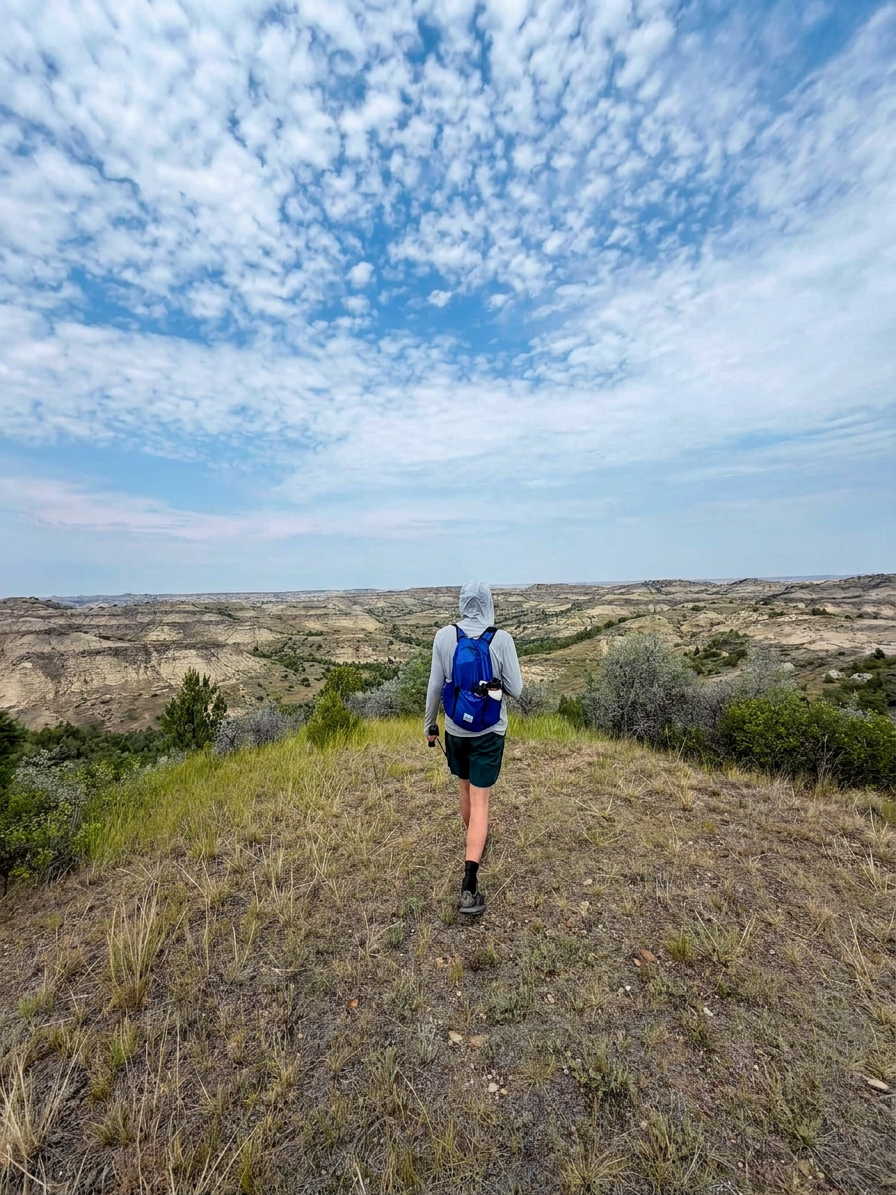
- Walk through the Petrified Forest to Overlook for a 5.2 miles in-and-out experience of two different landscapes within TRNP: a petrified forest and grasslands. Admittedly, you don’t need to walk to the overlook – and if your rushed on time, I do recommend skipping it, but it was nice to meander through the fields under the big blue sky. While we were walking the grassland, we spotted many short-horned lizards. So, so, so cute!
- Horses? How do you find the wild horses? I asked this question to Lord Google and to every park ranger within an arm’s length of me. Here is my experience: We spotted our first wild horse far off in the distance (binoculars mandatory) from Buck Hill on the Buck Hill Trail – a short, 0.5 mile in-and-out trail. But horses love cool temps, so going at dawn or dusk in search of them is best. We got lucky, and as we were driving the scenic loop, we spotted two right by the road at sunset. The perfect way to end our day of exploring! *chef’s kiss
- Prairie Dogs here, prairie dogs there, prairie dogs everywhere! You won’t (I don’t know how you could) miss them. When driving the scenic loop, there are many prairie dog towns you’ll drive through. Amory and I stopped in one of the prairie dog towns at dusk and saw a coyote waiting patiently for them to peak their heads up and out! Eeek!!
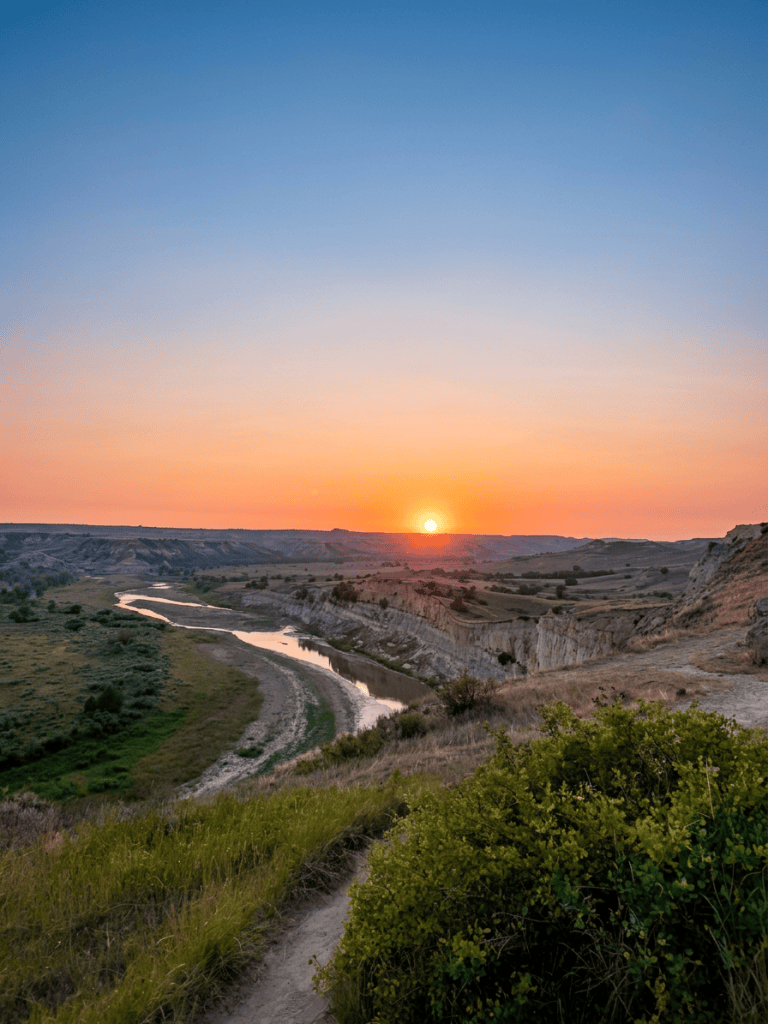
- Last but not least, find a place to waste the day away, literally, with a sunset in the park. After asking a park ranger, Amory and I made our way to her suggested sunset vista in the park – Wind Canyon. While it was a bit crowded, we were not disappointed. We saw wild horses, deer, antelope, and bison here.
Aside from Everglades National Park and Yellowstone National Park, Theodore Roosevelt National Park has one of the largest biodiversities of the national parks. Sure, you could argue other parks have more biodiversity by the numbers, but TRNP has clockable biodiversity – or for a lack of better words – there are a lot of critters to be seen here. And they are in no rush. If you can find them, you can quietly admire them all day long. I felt like I was on a safari – in my head labeling the Theodore Roosevelt National Park “The American Serengeti”.
And before I say bye-bye, let’s be frank with each other readers – this post took a long time. I am back to teaching, back to “normalcy”, back to routine, and less here. Unfortunately. But I am continuing this creative endeavor when I feel inspired to do so, so please keep checking in as I finish posting about our 63 (64! a new park just made its debut) in 365 journey. With love, XoXo.


Leave a Reply