


Books, Bites, and Sights

"I sha'n't be gone long. – You come too." – Robert Frost

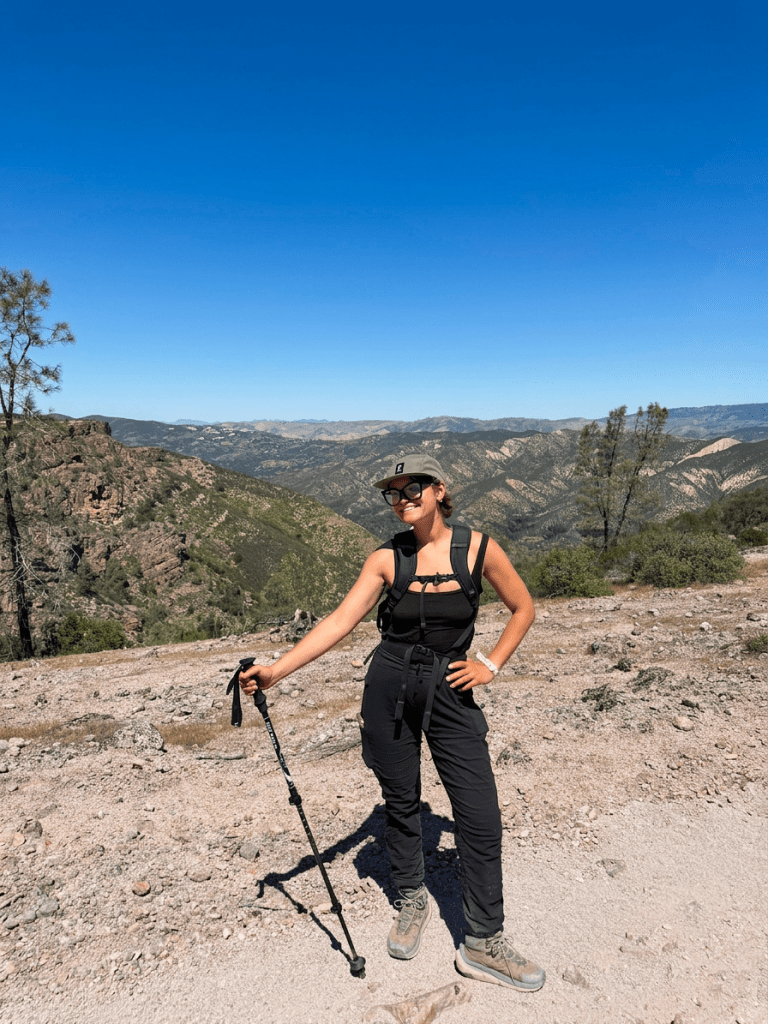
Hi, there! My name is Natalie Ray, and I am the creator of Books, Bites, and Sights.

This blog is space for me to focus more on the things that bring me joy: reading, yoga, spirituality, early mornings, travel, peanut butter, hot coffee, recovery, love, long phone calls, and more. I won’t be gone long— you come too.

Explore my authentic and unsolicited take on different books, bites, and sights from a variety of destinations by clicking on the drop downs. And don’t forget to leave a comment on your take, suggestions, or experiences.

  • February 28th – March 10th, 2026

    Initially our plans for the 63 in 365 journey was to visit Utah’s Might 5 in April, so when we checked our calendars and realized we were nearly a month ahead of schedule, we were nervous. How cold is Utah in March? What are the trail conditions like? What parts of the parks would still be closed for the season?

    With a bit of research, I quickly found that visiting Utah in March can be favorable and is recommended if you want to avoid crowds. On top of that, the Western United States is currently experiencing historic, record-breaking snowpack lows – meaning trail conditions were ideal, weather was mild, and closures were minimal.

    Eagerly we began to tackle “The Beehive State” and finished in only 11 days, less than 2 weeks, and if you’d like to do the same, read on beloved.

    Zion National Park

    3 days, 3 nights at Watchman Campground

    • Day 1: Drive into Zion, quick stop at the Zion Canyon Visitor Center for stamps and stickers, check into the Watchman Campground, hike the Watchman Trail (3.3 mile out-and-back) for a sunset over the canyon
    • Day 2: Rise early, drive to the Kolob Canyons district, hike the Left Fork “Subway” Trail (9 mile round trip, Wilderness permits needed), explore the neighboring town Springdale
    • Day 3: Rent dry gear from Zion Outfitter, hike The Narrows (~8 mile out-and-back)

    Books, Bites, Insights? The Watchman Campground was my favorite campground we stayed at in Utah. Practical, conveniently located, and beautifully placed. While exploring Springdale, we picked up a few post-hike organic, healthy snacks at Sol Foods Supermarket and did laundry at Zion Canyon Campground and RV Resort. For The Narrows, check weather and conditions beforehand – and as always, do your research on the do’s and don’ts. Mine? Do rent the gear and start early. Don’t bring anything but your phone and water – fuel up before and after.

    Bryce Canyon National Park

    2 days, 1 night at North Campground

    • Day 4: Wake up early for a sunrise over Zion Canyon via the Zion Canyon Overlook Trail (1 mile round trip), drive 2 hours to Bryce Canyon National Park, make an obligatory stop at the Bryce Canyon Visitor Center for water refills, restrooms, stamps, and stickers, trek the Fairyland Loop Trail (8 mile loop), check into North Campground
    • Day 5: Watch the iconic hoodoos glow with a sunrise at Sunrise Point, start the Figure 8 Combination hike after sunrise (6.5 mile loop with the Queen’s Garden, Navajo Loop, and the Peekaboo Loop all-in-one), shower at the general store nearby, drive 2 hours to Capitol Reef National Park

    Books, Bites, Insights? Bryce Canyon is still at the top of my list of national parks that exceeded my expectations. The beauty. The uniqueness. The simplicity. The Fairyland Loop was my overall favorite hike of the Mighty 5 stint.

    Capitol Reef National Park

    2 days, 3 nights at Fruita Campground

    • Day 6: Check emails and stamp passports at the Capitol Reef Visitor Center, hike the Chimney Rock Trail (3 mile loop), pull-off Highway 24 for a quick stop at the Petroglyphs Trail (0.3 mile boardwalk), check out the Hickman Bridge Trail (2 mile loop), check into Fruita Campground, watch the sunset at Sunset Point via the Sunset Point Trail (1 mile out-and-back)
    • Day 7: Hike the Frying Pan and Grand Wash Trail (7.1 mile loop) and walk across Cassidy Arch

    Books, Bites, Insights? If you were going to skip something, skip the Frying Pan portion of day seven’s hike, but do not, I repeat do not, skip the Grand Wash and Cassidy Arch. These were my two favorite sights in Capitol Reef.

    Arches National Park

    2 days, 2 nights at Sun Outdoors North Moab Campground

    • Day 8: Drive 2 hours to Arches National Park, pull into the visitor center to collect stamps and stickers, hike the Devil’s Garden Trail with all the arch offshoots (8.1 mile loop), swing by Moonflower Community Cooperative in Moab for organic, local groceries and snacks
    • Day 9: Sightsee all the popular arches including the Windows, Turret Arch, Double Arch, Balanced Rock, and Cove of Caves (all can be seen from the parking lot/road, but walking up to them shifts your perspective, and I would recommended), hike to Delicate Arch (3 mile out-and-back), swing by Desert Tropics Health Bar for a vegan smoothie bowl or hand-pressed juice

    Books, Bites, Insights? Moonflower’s deli’s options are great after hiking all day. I had their gluten-free pastrami sandwich with sweet pickles and their coconut milk rice pudding with figs post hike. To die for.

    Canyonlands National Park

    2 days, 2 nights at The Needles Outpost

    • Day 10: Treat yourself to a coffee at Moab Coffee Roasters in Downtown Moab, drive 40 minutes from Moab into the northern portion of Canyonlands – coined the Island in the Sky District, stop by the visitor center for your passport stamp, traverse the short and sweet Mesa Arch Trail (1 mile loop), pull off at the Shafer Canyon Overlook, hike the Grand View Point Trail for those vast, iconic canyon views (1.9 mile out-and-back), drive two hours to The Needles District pulling off on your way to check out the petroglyphs at Newspaper Rock, check into The Needles Outpost
    • Day 11: Start early and hike the Chesler Park Loop Trail (11 mile loop) and squeeze through the narrow slot canyons known as The Joints

    Books, Bites, Insights? Stock up on food and gas in Moab before heading to The Needles District (Southern portion of Canyonlands National Parks). There is no paved road to connect the Northern portion of the park to the Southern portion. Once you leave Moab, grocery stores and gas stations quickly become far and few.

    If you’re looking for a sign to roadtrip around Utah knocking out all of the Mighty 5, look no further – this is it babe. It is doable, even on a budget with limited time. And well worth it; maximizing that bang for your buck/time mentality. Anyway – What are you waiting for? Three, two, one. Break. See you next, Monday? Tuesday? I’m not sure; sometime next week reader. Xoxox, with love.

  • February 25th – February 27th, 2026

    Here is the tea: I do not like deserts.

    Constant nosebleeds, limited greenery, hot and dry air. Bleh. No thanks. Hard pass. But, even before beginning our 63 in 365 journey, Amory talked so highly of Death Valley National Park, and I now know why.

    Making the lonesome 6 hour drive on US-395 from Sacramento to Death Valley National Park is an investment. I childishly kept thinking, “Are we there yet?” But once in the valley surrounded by the Mojave Desert and engulfed in the silence that is desert life, a revelation on my biggest take away from the hottest and driest national park became inescapable: Death Valley is a natural masterpiece – visually, audibly, and tangibly. The park is uniquely stunning and appealing to all the senses. An unworldly experience that I can’t (but will try to) capture with words.

    Interested in photography? I can’t recommend this park enough. Perfect for amateurs and professionals alike. Seriously. Looking back at all my photos, I can’t help but to call Death Valley one of the most photogenic places I have ever been.

    Long story short: after an in-depth discussion with Amory about which national park I would suggest first to others if they had never visited any, Death Valley was seamlessly the answer, even outcompeting my personal favorites in more ways than one. I genuinely think everyone should experience this park, even the desert haters like me.

    Books

    Making transitions isn’t easy. Like most, I can be very resistant to change in my personal lifestyle and routines. I know what I like, and I like what I like. Prior to Covid and my time in the Peace Corps, I had the sentiment that physical books were superior. The smell. The look. The feel. The packed bookshelf that all could see and admire. If you had mentioned using a Kindle, I would have audibly gawked and immediately stuck my nose up. But after meditation and contemplation and just general realizations, I came to the conclusion that I want minimal physical possessions. I want to reduce the amount of things I have to keep up with or move or look at or grow attached to. Simply put, I don’t want that bookshelf full of books.

    Reluctantly and uncomfortably at first, I began selling all my physical books and forcing myself to “look but don’t touch” any physical books for purchase. Denying myself that leisurely stroll through my favorite bookstores. Boo. I devoted to only buying digital books via my Kindle, and through this endeavor, I discovered Libby.

    And after discovering Libby, I began abandoning buying books altogether, both physical and digital, because with Libby you can loan digital books and audiobooks for free with an active library card. The habit of spending hundreds of dollars on books a year – poof, gone.

    Occasionally on Libby you have to go onto a waiting list for popular or new releases. But what do they say? All great things come to those that wait.

    Steps:

    • Download the Libby app onto your phone.
    • Use the app to find your hometown library
    • Sign in with your library card
    • Search, filter, request, download
    • Navigate to your shelf and boom! Happy reading

    In Death Valley, I listened to Hidden Pictures by Jason Rekulak via Libby. No cell service? No problem. I downloaded the entire audiobook prior to driving into the park which allowed me to access it throughout my entire time in the valley.

    My take: As a preteen, I loved all things horror. Horror novels, movies, haunted houses. All the things. Now? As an adult? Nope, nope, nope. I oddly have no drive or desire to even dip my toe into that realm. I am not sure what caused this transition, but you’ll sooner find me swooning over a Fabio on a stallion Kroger bought pocket-paperback romance novel than me wide-eyed and clutching a Stephen King bestseller. To circle back, Hidden Pictures was one of the first horror novels I had picked up in quite a while. The novel certainly was chilling. But in terms of horror, I felt that it fell flat. Is it supposed to be horror? Is that what Rekulak was going for? I can’t say. But I would categorize it more as being a supernatural thriller than a horror novel. Needless to say, it was refreshing to read outside of my stereotypical genres, but I wouldn’t put this on my must-read list, even for those that do prefer the creepier, eerier side of life.

    Bites

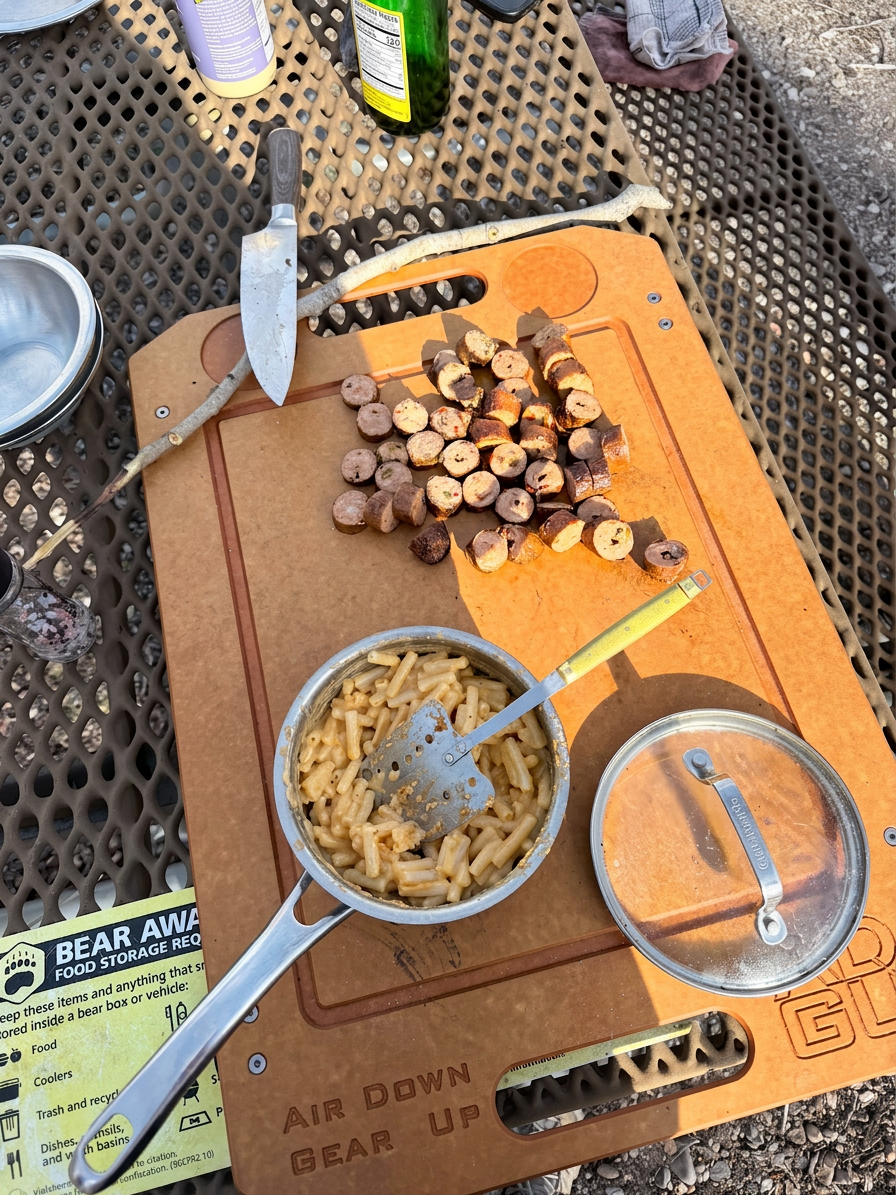
    For this post’s bites section, I want to talk about Amory and I’s cooking set up and essentials.

    Incase no-one mentioned it, living in your car and managing a no-dairy, gluten-free, organic, fresh, slightly keto, FODMAP diet isn’t easy. Even worse, Amory and I eat ALOT. Hiker hunger? It is real.

    We miss having a fridge. We miss our plant-based milks and yogurts. We miss non-canned meats. We miss our ability to cook hot meals with ease. Don’t even get me started on the mental and physical dread of washing dishes while living in your car. Ugh. But we manage and, truthfully, three months into this journey, we do better than manage. Tricky at first, better now. Keep reading to get my Books, Bites, Insights on it all.
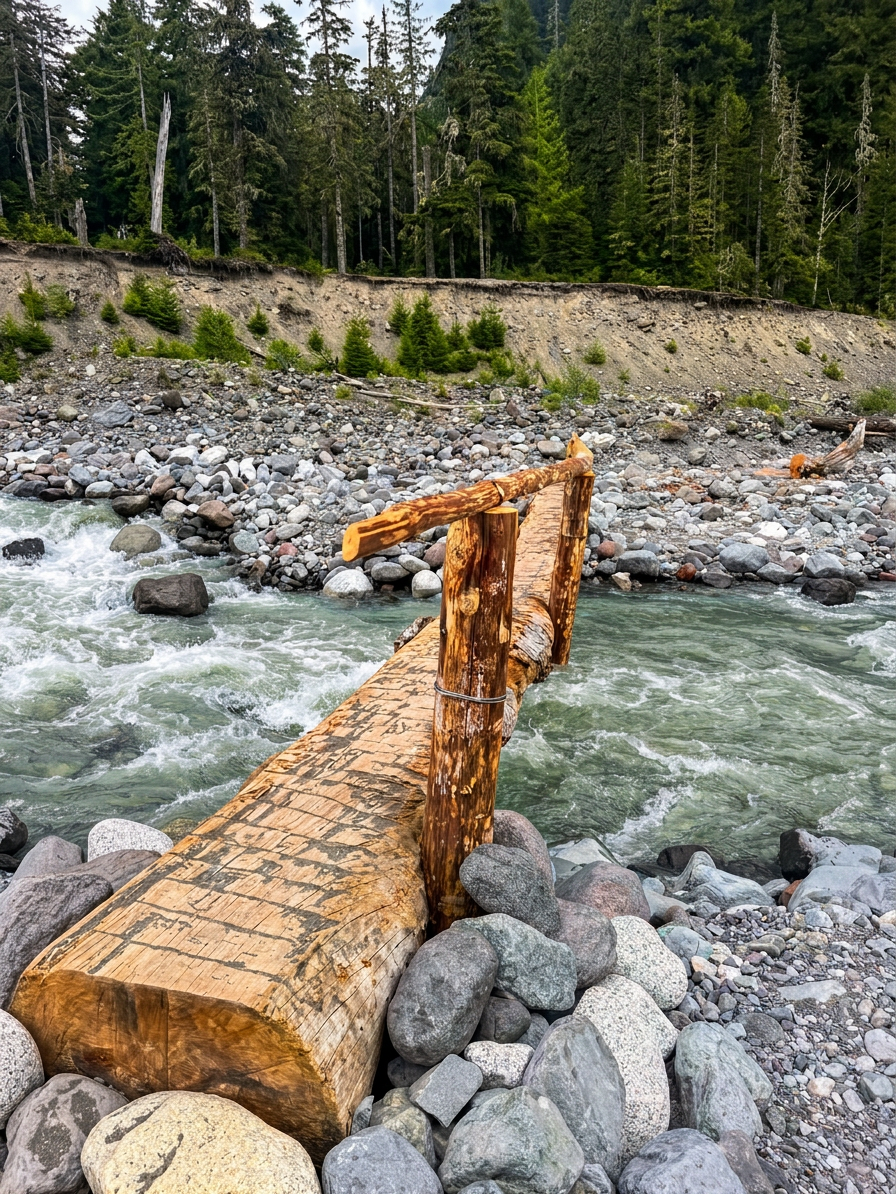
    Our essential equipment:

    Below is everything we use to cook while living in our car. Nothing more, nothing less.

    • Camp Chef 2 burner stove: Runs on propane, could manage with one burner to save space but having two is nice when we make a larger meal, affordable
    • Cast-iron skillet: An embodiment of use what you already got, heavy but versatile
    • Stainless steel saucepan and lid: Great for boiling things or using as a bowl when all else is dirty
    • Various forks, spoons, and knives: Nothing fancy, all mismatched
    • Stainless steel spatula: Small and works with everything
    • Chef knife: Don’t forget to bring a cover of some sort for your knife to protect it and yourself
    • Cutting board: Wooden and necessary, sometimes used as a table/shelf
    • Jet-boil: Runs on propane, great for making coffee and oatmeal
    • Aluminum foil: Used like a lid over the cast-iron skillet when needed
    • 2 plates, 2 bowls: Use what you have, be sure they are durable and stackable
    • Glass bowl with lid: Lid has been great for helping keep food hot or cold, we use this bowl a lot for mixing because it is larger than our other two bowls
    • 1 thermos cup: For coffee, or cereal, or anything really
    • 2 camp mugs with lids: Very durable and versatile
    • Flatpack Collapsible Sink: There is really no nice way to put it – dishes suck but a collapsible sink makes life easier and would be one of the things I would dare to say is a must when living out of your car

    A simple, quick, and easy go-to car meal that requires no refrigeration and minimal cleanup is salmon cakes and rice; Using gluten-free pancake mix, water, olive oil, tahini, and canned salmon. Mash it. Mix it. Pat it out. Put oil in the skillet. Fry it. Add precooked bagged rice to the skillet when cakes are ready. Finally, season to your liking. Want to add some fiber and healthy fats? Avocados stay fresh in the car and pair well with most meals.

    One pan salmon cakes and rice
    Sights

    Hiking

    Sunset at Artist’s Palette: Follow the one-way Artist’s Palette 9-mile scenic road for an easily accessible desert sunset over a glowing hillside of pinks, yellows, greens, and blues. Colors are maximized in the late afternoon making this spot perfect for a sunset. This mesmerizing phenomena is caused by the oxidation of volcanic deposits and was a highlight of the trip.

    Sunrise at Dante’s View

    •  Roughly 40-minutes from the Furnace Creek Visitor Center, Dante’s View allows you to sit back (no hiking necessary) and watch the sun slowly light up the notorious Badwater Basin and the breathtaking Telescope Peak. Books, Bites, Insights? Don’t forget your coat – the elevation change can decrease the temperature drastically.

    Mount Perry via Dante’s Ridge (8.9 mile in-and-out)

    • After watching the sunrise at Dante’s View, trek Dante’s Ridge to continue exploring Death Valley’s jaw-dropping landscape. The trailhead’s parking is the same parking lot used for Dante’s View making this trail convenient post-sunrise. The trail did require some rock scrambling at the end to reach the peak (which IMO is the most fun portion); however, the majority of the trail is easy-to-follow.

    Sunrise at Zabriskie Point

    • Sunrise at Zabriskie Point, an iconic and easy-to-access Death Valley vista, is only 15 minutes from Furnace Creek Visitor Center. On a morning with clear skies, you may even see Manly Beacon glow.
    Sunrise at Zabriskie Point

    Golden Canyon and Gower Gulch Loop via Zabriskie Point (6.4 mile loop)

    • After watching the sunrise at Zabriskie Point, hike through striking golden-walls and narrow canyons via the Golden Canyon and Gower Gulch Loop. With occasional rock scrambling and all the stereotypical desert vibes, this loop trail maximizes the diverse desert scenery while keeping it simple for those that prefer or need a more laid back trek.

    Badwater Basin

    • A must when in Death Valley National Park. Badwater Basin, the lowest point in North America with a depth of 282 feet below sea level, requires little to no time, and once done you can say the cliche, “Been there, done that.”

    The Devil’s Golf Course

    • The Devil’s Golf Course is a massive, jagged salt field that you can walk on. And while this stop is unique to Death Valley and on the way to Badwater Basin, you can skip it if on a time crunch.

    Camping

    Furnace Creek Campground

    • If you can snag a site at Furnace Creek Campground, do it. With flush toilets, large dish pits, and a picnic table at each site, the campground only costed $30 dollars for the night and was located right behind the visitor center. Lord forbid having to drive in daily to the park – unless scenic, long desert drives are your thing. Additionally, there is no cell service in the park, so being close to the Furnace Creek Visitor Center which offers free 24/7 wifi is key. The campground is also nearby Furnace Creek Oasis and Ranch which has many amenities including a general store and post office.
    Tata at the Furnace Creek Campground

    Mile Marker 129 Dispersed Camping

    • Campground full? Or just looking to stay in budget? Roughly 24 miles West of the Furnace Creek area just outside of the Death Valley National Park boundary, you’ll find ample dispersed camp sites on BLM land; Commonly called “The Pads”. I discovered this location by asking a park ranger about popular, boon-docking spots nearby. She told me to drive west out of the park on Highway 190 to mile marker 129. Once past mile marker 129, turn right onto the gravel road, keep driving until you see an unclaimed concrete slab, park, and set up camp. Seem to good to be true? I thought the same, but it really was that easy! Pinky-swear.
    Tata boon-docking at The Pads

    Superbloom

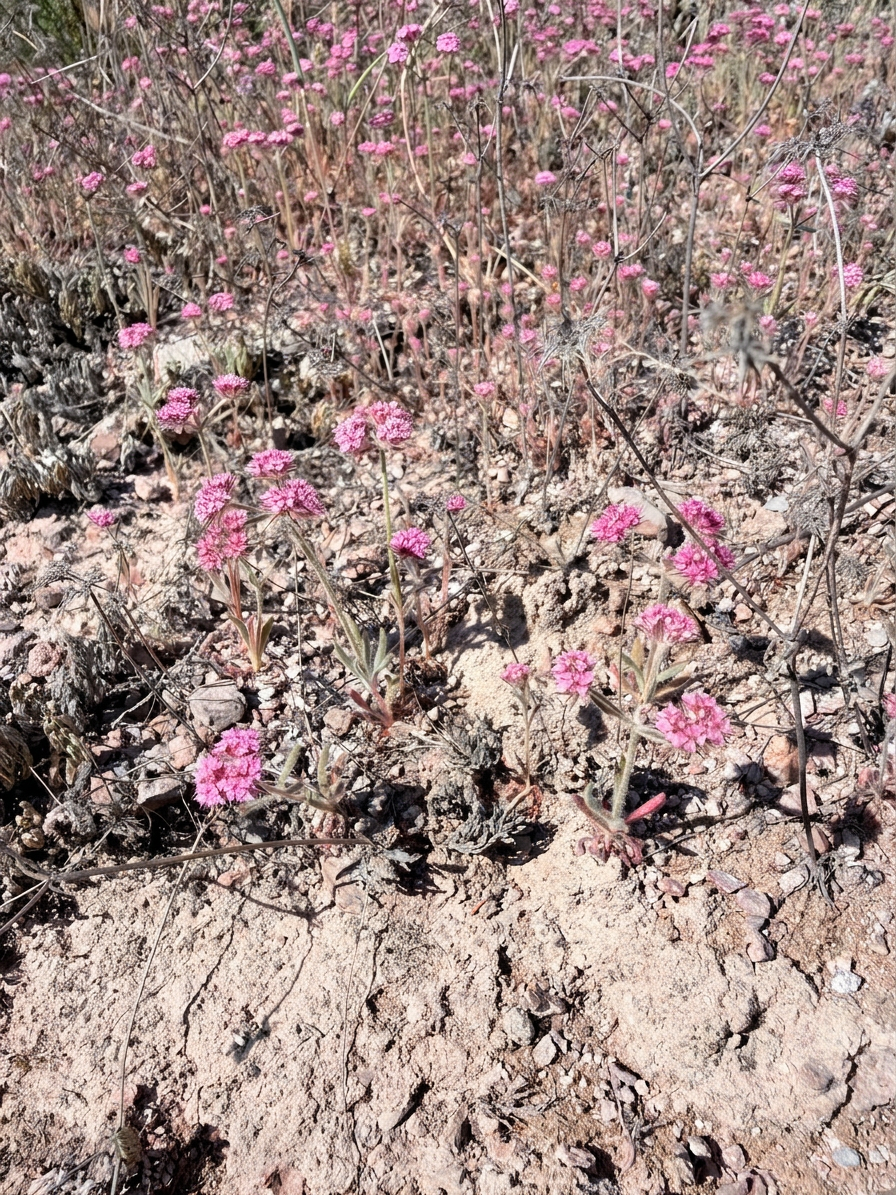
    • Disclaimer: Amory and I did not plan to visit Death Valley during the once-in-a-decade superbloom, but boy oh boy did we appreciate Mother Nature blessing us with this rarity. Seriously, we didn’t even know that a superbloom was occurring until we stumbled into the visitor center which was filled with tri-fold boards on the event. Books, Bites, Insights? The National Park Service defines a superbloom as, “conditions when so many flowers are present that they appear as swaths of color across the landscape, rather than isolated plants” with the last recorded superbloom in 2016.

    Xoxo reader, stay hydrated. Until next week.

  • February 21st – 24th, 2026

    Amory and I wrapped up our island month with a quick trip to the United States Virgin Islands for park #22 – Virgin Islands National Park. I haven’t said this much on our 63 in 365 journey, but I do wish we would of had more time here. I would have preferred much more toes in the sand, beach-bum sitting time, and I left the islands longing for just one more day.

    I will talk more about must-do’s of USVI in the sights portion of this post, but I want to highlight that this park is for the beach girlies and boys. It is for snorkeling. It is for sand, and sun, and R&R. So, if you’re anticipating breathtaking island treks of a lifetime, you’ll be disappointed. Virgin Islands National Park doesn’t offer those. But what it does bring to the table with its stunning beaches and abundant marine life is superior to all other national parks that we have visited so far- and I wish Amory and I would have known this and planned accordingly.

    Books

    For this post, I want to write about my favorite type of book: the memoir. I have always enjoyed reading the trials, the tribulations, and the inner dialogue of others, especially of those who can eloquently capture and express themselves. Additionally, I enjoy both the relatability (oh, been there done that) and the unrelatablity (wow, I can’t even begin to imagine what that was like) of the memoir genre. If you’ve never picked up a memoir, here are a few of my favorites. And if you have, please share your favorites. For me, memoirs are hidden gems that radiate lasting inspiration, and I would love to add more of them to my TBR list on Goodreads.

    • Sister Wife: A Memoir of Faith, Family, and Finding Freedom by Christine Brown Woolley
      • If you know me, you know I love reality TV. My little sister and I were hard-core TLC fans growing up. I mean – what else can bored ten year olds out of school for the Summer do besides watch endless episodes Sister Wives or Cake Boss via DirectTV. So, while Christine’s memoir had its flaws (I could have done without all the repeated references to “earning” calories), I really enjoyed hearing about her experience being a sister wife directly from her, rather than interpreting how TLC portrayed her on the show. With each chapter, I began humanizing her rather than seeing her as the spectacle I had grown up with – which not only gave me insight into her life but also insight into my own.
    • Glass Castle by Jeannette Walls
      • Every time I am asked what my favorite book is, Glass Castle immediately tumbles off my lips. Jeannette Walls’s unconventional upbringing is gripping, heart-breaking, inspiring, and worth sharing. Just writing about this book makes me want to pick it up and reread. The power of this memoir lies in the fact that no matter who we are or where we come from, we all struggle to overcome parts of our childhood. Many times throughout our life we are fed toxic positivity; “You didn’t have it that bad,” or “Others have it worse.” But a truth about life I have come to learn is: Everyone’s trauma is their own, and the worst thing that has every happened to someone is the worst thing to have happened to them – and memoirs like Walls’s help to normalize sharing our traumas, especially in an effort to process them. Bleh. I will get off my soapbox and let the 8th grade English teachers doing literature circles over The Outsiders take over (iykyk lol).
    • Crying in H Mart by Michelle Zauner
      • Mother-daughter relationships. Grief. Food. Zauner, Japanese Breakfast’s lead singer, creates a light-hearted yet deeply inspirational memoir with Crying in H Mart. While the memoir’s focus is on Zauner’s Korean identity and the loss of her mother (neither of which I am or have had to deal with), her journey to forge her own identity amongst it all is something that we all can align with.
    • Born a Crime: Stories from a South African Childhood by Trevor Noah
      • Apartheid: something no-one teaches you about nor mentions, or at least not at my bible-belt hometown school in middle Tennessee. And all the more shocking: The apartheid-era only ended 34 years ago. First-hand accounts like Trevor Noah’s (someone who grew up in South Africa during the apartheid-era) are integral in documenting the racism and injustices that have, can, and still occur in our modern society. But him writing and publishing his memoir is only half the battle because we can only learn from these accounts when we actually pick them up and read them for ourselves. And pardon my French, but screw blame. I am no longer blaming my upbringing or schooling for my lack of knowledge even if I feel that they should feel some shame in it. Rather I am taking responisiblity in my own education of our world. How? By taking the time to read, process, reflect, and share stories like these. Why? Because reading for yourself, rather than relying solely on what you hear (or don’t), is essential for developing a true, independent understanding of all that surrounds you.
    Bites

    Looking for quick bites for a picnic lunch?

    • Shaibu’s Gourmet Grab & Go: This was my favorite bite of the trip. I originally went to Shaibu’s with the intention of only getting their Seamoss Spice smoothie (organic seamoss, cashews, chia seeds, almond milk, agave, and spices); however, I walked out with their in-house-made green plantain chips and ginger shots too because when in St. John – cheers readers.
    Shaibu’s is located inside The Marketplace which is behind Starfish Market. It was a little tricky to find at first, but if you stroll through The Marketplace you won’t miss it.

    Need a cold, vegan, sweet treat to cool down after snorkeling?

    • Irie Pops: While Irie Pops does have a store front downtown (with loads more stuff I’ve heard), Amory and I bought our pops from the camp store at Cinnamon Bay’s. I think these local delicacies are found all around the island, but what I loved most about these sweet treats were the island-inspired flavor options and the fact that they are all vegan, gluten-free, local, and organic.
    I went with the classic Chocolate Sea Salt Irie Pop and will be hands-down going back to try other flavors when I return to USVI.

    Want a sit-down restaurant with good drink options, outdoor seating, and light but delicious Caribbean-inspired tapas?

    • The Longboard: At Longboard, the food was refreshing and the atmosphere was laid back. You’re on an island, so expect to pay more for less, but overall, I enjoyed being able to sit back, feel the breeze, laugh, and fill my belly after a long day of exploring St. John.
    Sights

    Logistics

    • Flights: Amory and I flew out of Orlando International Airport to St. Thomas’s Cyril E. King airport. The flight was 3 hours long and costed $300 per person. Books, bites, insights? We were greeted with free rum shots upon landing, and while I don’t drink, I thought this was such a fun way to kickstart our time in USVI. However, when leaving the island, TSA took nearly three hours, and we barley made it to our gate in time for boarding.
    • Taxi: To get to St. John from the airport you’ll need to get a taxi from the airport to the Red Hook Ferry. There is no Ubering on the island, but don’t worry. We walked out of the airport and were immediately greeted by drivers asking where we needed to go. I have been to other countries where the taxi drivers and companies are a bit intimidating and demanding, but I did not feel pressured on St. Thomas. The drivers simply just asked if we needed a taxi, told us it would be $25 a person, and loaded our things into the back of their vans. The taxi held roughly eight other people who were also heading to the ferry and took about an hour (keep this in mind when planning for your flight back to the mainland).
    • Ferry: After taxiing to Red Hook, you’ll catch the ferry to St. John. The ferry runs every hour, on the hour from 9 am to 11 pm, costs $10 a person (an additional $5 for checked bags), and takes about 30 minutes.
    • Rental Car: Once on St. John, you can opt to get a rental car. We went with Dolphin Jeep Rental which was $309 total for 3 days. Even though the company is called Dolphin Jeep Rental, we actually rented a Chevy Equinox. And it was an easy process. Took about 10 minutes to walk to the company from the harbor. Keys were in the car ready to go. All we had to do was text the company that we had picked up the car. When dropping off, we experienced the same ease. Filled the tank with gas, parked the car, left the keys on the dash, and walked to the ferry.
    Camping

    • For lodging, Amory and I booked all three nights at the Cinnamon Bay Campground which is the only campground in the national park. We paid $170 total, or roughly $55 a night for a tent site. The campground had plenty of amenities – hot showers, flush toilets, dish pits with running water, potable water, a cafe that serves breakfast, lunch, and dinner, a general store, WiFi at the main office, and the best part: it was oceanside – perfect for early sunrises or lazy sunsets. Our tent site had a shade covered platform alongside a picnic table and a trunk for storage, but it was a walk-in site meaning we had to park and lug (only about a ten minute walk) all our things to the site. The campground is also centrally located: a few minutes from many popular beaches like Trunk Bay, 30 minutes from the furthest hiking trails in the park like the Salt Pond Trail, and only 20 minutes back into town. All in all, I enjoyed the site, felt it was perfect for our stay, and would book with Cinnamon Bay again.
    Our campsite at Cinnamon Bay. We loved the shade canopy because it allowed us to sleep without our rainfly on – ah fresh air. It did rain on and off while we were on the island, so again, the shade canopy was so clutch.

    Hiking

    • Reef Bay Trail (4.2 mile out-and-back): Historic trail that leads down to Reef Bay Beach, historic sugar mill ruins, and Taino petroglyphs. To get on the trail we had to park on the road shoulder (no parking lot) which was tricky but not impossible.
    • Ram Head Trail (2.6 mile out-and-back): With a rocky cliff ending where you can sit and watch the Atlantic waves crash ashore, this short trail offered the best views of the island imo. Bonus: the hike will also take you past Salt Pond Beach which is notable for snorkeling and white sand.

    Snorkeling

    I wish Amory and I would have had more time in USVI because of one thing: world famous snorkeling. A trip to USVI is well worth it just for the snorkeling alone. And while Amory and I didn’t get to do all the snorkeling our hearts desired, we still saw an array of rare and unique marine life.

    • Cruz Bay Watersports Pizza Pi Snorkeling Experience: Because USVI was our last tropical island destination on our 63 in 365 journey, Amory and I wanted to have a more exclusive snorkeling experience, so we booked two spots with Cruz Bay Watersports for their Pizza Pi Snorkeling Experience for $260. This epic experience is a full day affair. Departing from the Westin on St. John with about twenty others, we stopped at two off-shore cays where we were able to snorkel for about an hour at each. Amory and I saw two types of rays: a spotted eagle ray (which was nearly 6 foot long) and a southern stingray. Alongside the vibrant coral reefs, we saw barracuda, parrotfish, angelfish, a sand diver, trunk fish, and more. After snorkeling at our first location, we climbed back aboard for handcrafted pizza (they had a gluten-free option, and we opted for no cheese, but you have to let them know ahead of time when you book your reservation) and an open bar. Yes – an open bar. Amory and I don’t drink, but if you do, you will be be highly satisfied on board. The captain and crew were so attentive and professional. And after snorkeling all afternoon and stuffing our faces with pizza, we were able to sit back and enjoy the 45 minute boat ride back to shore.
    • Maho Bay – This off-shore snorkeling is less than five minutes from Cinnamon Bay, completely free, and is very popular. Because of the popularity, keep in mind that parking during peak hours can be tricky. Books, Bites, Insights? The best times of day to see unique marine life is earlier in the morning or later in the evening, so plan your snorkeling accordingly for best results and to avoid crowds. We went to this spot specifically because we really wanted to see sea turtles (something we had yet to see on this whole 63 in 365 journey). Our captain on our Cruz Bay snorkeling trip suggested this location because of the abundance of seagrass. We brought our own snorkel gear and swam toward the seagrass, but after 45 minutes of snorkeling, we were losing hope. However, once we went a bit further off shore (maybe 50 – 75 feet), we spotted one. And after we spotted one, we spotted so many more. We saw four total sea turtles! Two were quite large with remoras (suckerfish) attached to their shells, and two seemed to be adolescence playing with one another. All were the green sea turtle. We also spotted multiple starfish the size of our heads and a plethora of queen conches.
    View from the back of our boat on our snorkeling experience

    Blessings, and love, and hot breakfasts, and good energy, and all the things to you reader. Xoxo. Talk next week.

    PS If you use Reddit to research any and all the things like me, I am linking my reddit below. You can follow along and stay up to date on my 63 in 365 journey there as well.

    https://www.reddit.com/user/booksbitessights/
  • February 14th, 2026

    Channel Islands National Park was park number 21 on Amory and I’s 63 in 365 journey, and, romantically, our visit landed on Valentine’s Day.

    How did we get to the park?

    After landing in LA, Amory and I drove an hour and a half West to Ventura Harbor. Once there, we made our way to the Island Packers’ office to check in for our day trip to Channel Islands National Park. We reserved two tickets ($72 each) for the 8 am ferry day trip to Scorpion Ridge. We made these reservations nearly a month in advance to secure the 8 am departure and the 5 pm return – and while a month in advance reservation isn’t required, we wanted to be sure we would have as much time on the island as possible to explore, and we knew we would be going on a holiday.

    Island Packers is the only public ferry to and from the islands, but they do offer two different departure locations (Oxford Harbor and Ventura Harbor), as well as many different day trips, round trips, and tours. You can choose to visit any of the islands with them with varying ticket prices, but the Santa Cruz Island is the most convenient and popular. Some islands and trips require you to camp on the island and do not have day trip options.

    Our ferry ride was a little less than a hour and a half ride to the island, and once there, you can opt to stake out and explore the island on your own, snorkel off shore, or rent/do a guided kayak tour with Island Packers (although for the latter option reservations must be done in advance).

    On our ferry ride to the island, we saw a dolphin feeding frenzy and two breeching gray whales. The captain stopped the ferry to point out both sightings – such an added treat.

    What did we do at the park?

    As always, we used AllTrails to navigate the island.

    We opted to trek the Montanon Ridge Loop which gave us a taste of everything we hoped for: coastal views, fox and bird sightings, and so many wildflowers. The elevation gain on this trail gave us vast views of the island but was longer and more strenuous than other options. However as avid hikers, we were able to complete the 9 mile loop, stop for breaks along the way, and make it back to the harbor with plenty of time before our return ferry.

    Potato Harbor Viewpoint

    After exploring the island all day, we were so relieved when our return ferry finally arrived to take us back to the mainland. On our ride home, I snagged The Handbook of Whales, Dolphins, and Porpoises of the World off the ferry’s bookshelf and read about both the common dolphin and the gray whale because we had sighted both earlier that day. Books, Bites, Insights? Barnacle and whales have a commensalism relationship (barnacles benefit while whales remain unaffected), but some whales use the barnacles on their fins and tails as a defense mechanism toward predators – ie the barnacles are like brass knuckles for the whale lol.

    What did we do for the remainder of our Valentine’s Day?

    Without reservations and on the fly, we made our way to Lure Fish House in downtown Ventura. Fresh oysters, a glassful of red wine, and the local catch-of-the-day Baja Kanpachi fish dinner, all made for a wonderful way to wrap up our time on the West coast and, as the hopeless romantic I am – bless my heart, was a perfect lovey-dovey ending to Amory and I’s third Valentine’s Day.

    Xoxo – I hope all is well readers. How did you spend Valentine’s Day? Do you celebrate? Are you like me and into the mushy-gushy side of life? Or are you like Amory and indifferent? Let me know. I would love to hear from you.

  • February 9th – 11th, 2026

    Podcasts, Bites, and Sights: Because god forbid I am alone with my own thoughts.

    Amory and I put many miles on our Jeep rental while on the Big Island. As a girl, I dreaded long scenic drives. Breaking my eyes away from my Nintendo DS in the back of our 1991 suburban only when I would hear the ocassional “wow” from my parents. But now, I love them. And the Hawaiian Big Island offers many with Chain of Craters Road through Hawai’i Volcanoes National Park having been my favorite.

    I agree – while on a scenic drive, nothing beats rolling all four windows down, letting the wind whip your hair (in my case an overgrown mullet), and staring out at the vast awe-inspiring beauty that surrounds us. But with that same sentiment, I love listening to people blab endlessly about nothing or info-dump about niche things they know lots about. If you’re like me reader and enjoy the white-noise of another’s voice, read on for my favorite podcasts – and if you check one out while taking a drive, let me know what your thoughts were and where you went.

    1. Call Her Daddy with Alex Cooper
      • Honest, often raunchy conversations about sex, dating, relationships, and female empowerment; Alex always has iconic and notable guests, and she isn’t afraid to ask those risky, lucrative, tea-sipping questions.
      • My favorite episodes: Monica Lewinsky: An Intern vs. The President, Jane Fonda; The GOAT, Simone Biles: “I thought America hated me”
    2. The History Channel’s History This Week
      • Explores key historical moments, people, and decisions that reshaped the world; Sally Helms guides listeners through significant, and sometimes under-the-radar, historical moments throughout human history alongside expert guests. I easily fell in love with her comforting voice and clear, slow cadence. Bonus: episodes are short (30 minutes) making it perfect for a quick tune-in.
      • My favorite episodes: The Radium Girls Fight Back, Bill W.’s Last Drink and the Birth of Alcoholics Anonymous, The Mutiny of Henry Hudson
    3. Immersive Spanish with Kav
      • A story based, audio-focused podcast for beginning and intermediate Spanish language learners; I have been listening to this podcast since season 1, and Kav has only improved it with each consecutive season. This podcast is for those looking to learn practical Spanish vocabulary and grammar within a cultural context. Episodes are bite-size (20 – 30 minutes) and interactive. While episodes do follow a bit of a storyline, they can be listened to in isolation.
      • My favorite episode: Season 4, Episode 14 – Adios? (Goodbye?)
    4. Ologies with Alie Ward
      • Interviews of experts (“-ologists”) about their specialized fields; With kid-friendly episodes that I have used in my classroom to in-depth adult deep dive conversations, Ologies is for those like me who regularly find themselves 2 hours deep in those midnight Reddit rabbit holes. Alie gives objective, relevant, and current information all with a side of clever puns and giggle-inducing cliches.
      • My favorite episodes: Smologies #12: EATING BUGS with Julia Lesnik, Strigiformology (OWLS) with R. J. Gutierrez, Discard Anthropology (GARBAGE) with Robin Nagle
    5. Radiolab by WNYC:
      • An award-winning, highly professional podcast that explores complex topics of science, philosophy, and journalism. Lulu Miller and Litif Nasser have provoked, challenged, and changed my way of thinking more times than I can count. With this podcast, I am constantly running into the conundrum of so badly wanting to retell what I learned yet failing miserably – thank goodness for the modern day ability to share and airdrop episodes.
      • My favorite episodes: Inheritance, You v. You, Guts
    6. Your Mom’s House with Christine Pazsitzky and Tom Segura
      • Blunt, slapstick, unapologetic, explicit commentary comedy. Trigger warning. Trigger warning. And incase you missed it, trigger warning. This podcast is not for those easily triggered – and I love Christine and Tom all the more for it. The jokes can be jarring and at times I am left wondering if they are being genuine or doing a bit. While many may critique or cancel YMH, I think the hosts embody the saying, “I only said what everyone else was thinking.”
      • My favorite episodes: Ep. 737 Mugshot Matchmaking w/ Trevor Wallace, Mentalist Oz Pearlman Blows Our Minds, Ep. 780 The Most Anticipated Meal Ever w/ Fancy Chef

    Xoxo to my favorite people. Signing off for now.

    And if you’re the passenger princess on these scenic drives, you can scroll Amory’s TikTok below for shorts on our 63 in 365 adventures.

    Click image to be redirected
  • February 6th – 8th, 2026

    Silver linings. My time exploring the alleged tropical paradise of Maui and Haleakalā National Park included: 10 inches of raining in one day, record breaking winds, and never ceasing storms. Throughout the entire trip, Amory and I had to constantly look inward, count our blessings, and seek silver linings. Everyday it was cloudy and rained, even flash flooding at times, but tiny slivers of peaking blue skies and five minutes of Hawaii’s sun’s rays easily turned our misery into harmony. How does that saying go about everyday may not be good, but you can find something good in everyday – yeah, I kept that cliche on repeat in my mind, especially when my gear, clothes, boots, and bones were soaked through and through. (yes, I did cry at one point lol)

    Our plans crumbled. Our spirits were broken and lifted on repeat. But looking back, I have all the more reasons to justify a return to Maui and Haleakalā in the future. And now I have a bit of Books, Bites, and Insights to guide my return.

    Books

    Isola, Allegra Goodman

    4/5 stars

    Trapped in my car, escaping the downpour on an island? Why not read a book about being stranded on an island?

    The outline: A young woman, Marguerite, is abandoned on an island in the New World and is having to learn how stay alive; yet she is still having to yield to the expectations of women during the 1500’s. Bizarre. Frustrating. For a lack of better words, bleh. But this conundrum makes way for such great story telling. The build-up of this novel was slow, but once I hit 40% read on my Kindle, I couldn’t put it down.

    Bites
    • Need coffee? Or a cozy, modern cafe with WiFi? Vida by Sip Me Maui came in so clutch. After having to leave our campsite due to flash flooding, we wondered aimlessly around Kahului looking for a cafe that would: 1. have WiFi, 2. have somewhere to sit and stay for a spell, and 3. didn’t close before 4. We found all those things at Vida by Sip Me Maui.
    • After exploring the Southern portion of Haleakalā National Park, Amory and I escaped the rain with coffee, breakfast, and a crossword puzzle at Grandma’s Coffee House on Kula Highway. Once we rolled into Grandma’s and peeped their menu, our order turned into a short novela: 2 almond milk lattes, a slice of banana bread, an açaí energy bowl, a combo special with Portuguese sausage, and the Sunday Special: Eggs Benedict on a cornbread waffle with homemade lemon hollandaise sauce. Stop drooling – I know. All in all, we spent about $60 here, but it was all well worth it. Books, bites, insights? Be aware there are no public bathrooms at Grandma’s, but you can walk to the public park 5 minutes away to use the restroom if you need to.
    • On our way down to the Southern portion of Haleakalā National Park via the Kula Highway, we passed many self-serve organic fruit stands. We weren’t able to do the road to Hana because of flash floods and mudslides, but I assume the same is true of that drive as well. No one was present when we stopped, so we snagged our fruits: two mini bananas, a mango, and a black sapote and shoved our $7 into the “pay here” lock box.
    Sights

    Where did we stay?

    • Hosmer Grove Campground in the Northern portion Haleakalā National Park: A small, quiet, and cozy campground near the Haleakalā summit, but we could only stay one night (had reserved 3) before having to leave because of high winds and flash flooding. Books, Bites, and Insights? This campground is high in elevation, so be prepared and do your research if you plan to stay here.
    Ring-necked Pheasant at Hosmer Grove
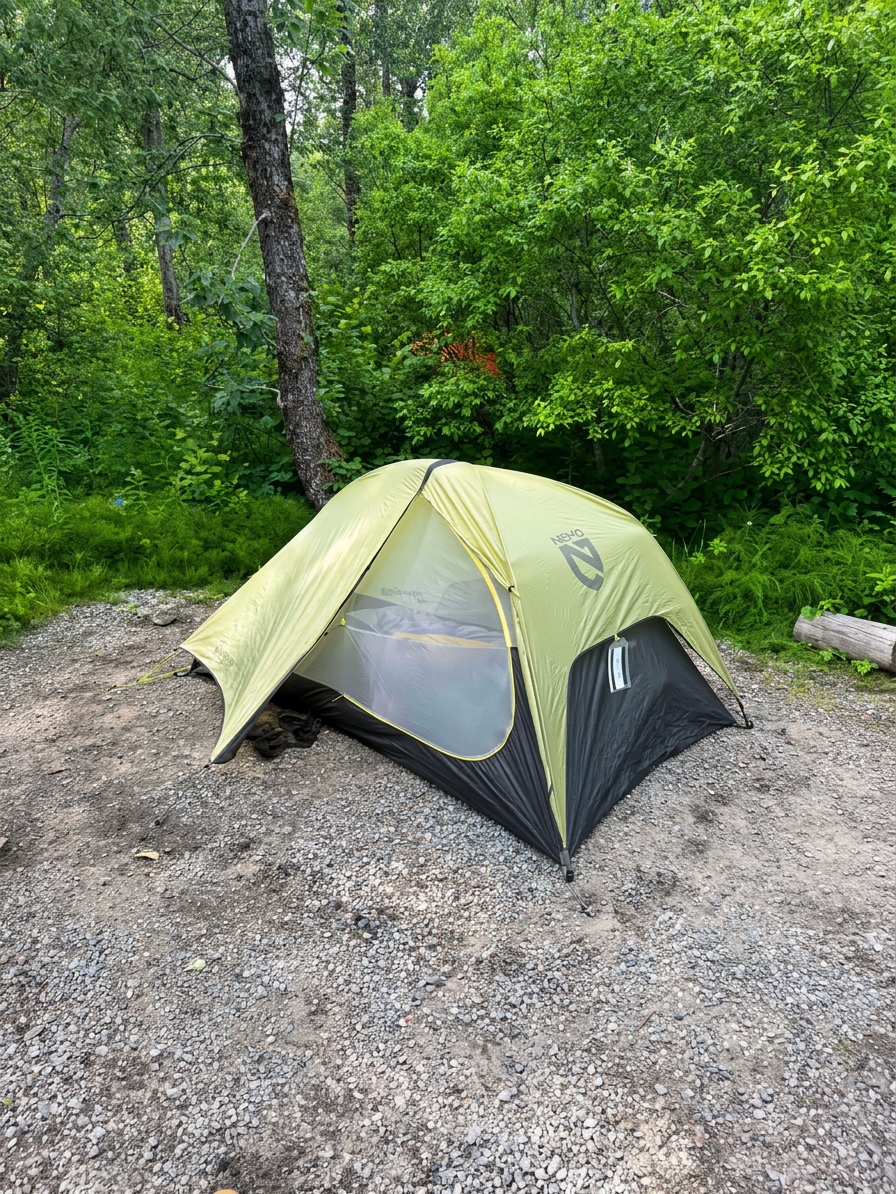
    For camping without Tata, we use the NEMO Hornet OSMO Ultralight 2P Tent.
    • Howzit Hostel in Wailuku for $50 per person: same day reservations, a roof over our heads, a kitchen to prep food in, hot showers, and a coin laundry to get the caked-on mud off our clothes. We had not planned to stay here, but the flash flooding made it impossible to camp. Amory and I were given a twin-sized bunkbed in a room with 8 other bunkmates, and all in all, I enjoyed the experience and would stay there again.
    • Kīpahulu Campground in the Southern portion of Haleakalā National Park: Cliff-side views and conveniently by some of the most popular trails of Haleakalā National Park (with typically better weather and less rain than the Northern portion of the park, so we were told). Fair warning though – getting there is a journey. Amory got carsick along the way due to the twists and turns of the nearly 2 hour drive. Additionally, portions of the highway are unpaved and so narrow only one car can pass at a time. As always, use caution reader, and check road and weather conditions before traveling.
    Our site at Kīpahulu Campground

    Where did we hike?

    • Waihe’e Ridge Trail (4.5 mile in-and-out): When we hiked Waihe’e Ridge, it was a cloudy day, but the views that did peak through were breathtaking. This trail is located near the Kahului airport, so in an effort to beat jet-lag, we hiked it immediately after landing. For us, it was a moderate trek.
    • The Haleakalā Summit in the Northern porting of HPN (can drive to with parking lot at top): Nearly 10,000 feet in elevation, you are actually above the clouds – and therefore, for Amory and I, above the rain! Magical to say the least. Even after living in Nepal, this was the highest I’ve ever been in elevation. The drive from the entrance of the park to the summit is about 45 minutes but, as you can see below, well worth it.
    While it was raining, cloudy, and dark at the base of the mountain, there were blue skies and fluffy white clouds at the summit – wild.
    • Silversword Loop via Halemau’u Trail in the Northern portion of HNP (12 mile in-and-out): This hike is the most epic hike of my 63 in 365 journey thus far. You hike down into a crater with an indesribable Martianesk landscape. This trail was comparable to the otherworldly trails I had done the year prior in Iceland – the wows would not, could not stop escaping my lips. There are no other trails or views like it. But be prepared. This is a strenuous hike, and I cried big girl tears while having to hike back out of the crater nearly three miles and 3,000 feet elevation gain (clothes and gear soaking wet) in the rain. But you know me best reader: 10/10 would still do again.
    • Waimoku Falls via Pipiwai Trail in the Southern portion of HNP (3.5 mile in-and-out): While the waterfall is mid, hiking through the bamboo forest is so cool – and did you see that giant Banyan tree along the way? This trail was easy and simple and shouldn’t be skipped.
    Waimoku Falls
    Bamboo forest on Pipiwai Trail
    • Seven Sacred Pools Trail,’Ohe’o Gulch in the Southern portion of HNP (0.5 mile loop): The walk down to the pool was closed when we visited. I can only imagine how serene it would be to swim down there. Oh well, maybe next time.

    Aaaand boom, a done deal on the first half of Amory and I’s time in Hawaii. Stay tuned for the second half: our time exploring the Big Island and Hawai’i Volcanoes National Park. Will the weather subside? Who knows. And frankly, who cares. How could you ever complain in Hawaii?

    Xoxo reader. Until next week.

  • February 2nd – February 5th, 2026

    Even after hours of research, I was unsure of what to expect when traveling to American Samoa. Using limited and outdated information online, I decided that this trip would be one where I had to be tentative and go with the flow – which is the exact advice I would now give to anyone planning to travel to the American Samoan islands.

    Prior to planning this trip, I had never heard of American Samoa, so FYI, American Samoa is composed of five volcanic islands in the South Pacific Ocean, and while it is a US territory, you do need your passport when traveling here.

    Why visit American Samoa? For Amory and I, this was an expensive and daunting stepping stone in our 63 in 365 journey. While on the island, most people we met aside from natives were also “park people”; there only to check off American Samoa from their national park bucket list.

    And while I have traveled international, culture shock is always ever-present when exposed to new people and places. Unless you are familiar with island lifestyles or Samoan culture, more than likely you will also experience this on the island. As with any culture: Lean in. Be mindful. Learn. Embrace. Smile. Be humble. And have fun.

    Thinking of visiting American Samoa? Don’t take my experience or my opinions as bible. I was only on the island for 4 days. There is no way to capture the unique depth of the island, the people, or the culture in 4 days. However, I do want to share my books, bites, and insights for fellow travelers considering making their own journey across the Pacific to American Samoa.

    Books

    Magic Hour by Kristin Hannah

    2/5 stars

    I am a sucker for historical fiction. So after all the internet hype surrounding Kristin Hannah, I decided to try her out last year, and I effortlessly fell in love with her eloquence. I quickly consumed three of her novels: The Nightingale (2015), The Four Winds (2021), The Women (2024). She is one of my favorite contemporary authors, and I am always recommending her books to history junkies young and old.

    Prior to leaving for our 63 in 365 journey, I snatched up the Black Friday Amazon Kindle deals and bought two more of her novels – Magic Hour (2006) and The Great Alone (2017). I started Magic Hour while sitting by the clear marine tide pools in American Samoa with high expectations – oof, my mistake. This novel is significantly different than the others that I mentioned above. Take notes. It is not historical fiction.

    And while I enjoyed the unique concept of Magic Hour – a child of the woods who has presumably been raised by wolves, I didn’t favor it as much as I had her other novels. It was cliche and predictable. And maybe that is your thing – maybe you love endings that wrap up nicely with a bow atop. But personally, I don’t.

    Additionally, the romance between the steamy, misunderstood doctor guy and the quirky-past, wallflower therapist gal just didn’t do it for me. I kept checking the cover to be sure I wasn’t reading a Nicholas Sparks novel. And the ending – don’t get me started – boring. (And if you actually read this novel and want to talk about alternative endings that would’ve been way more epic IMO, please DM me lol)

    Does this novel change how I feel about Hannah as a writer? Nope. Still love her. Will still recommend her. And will still read her stuff. But, truth be told, I am glad to be done with this novel.

    Bites

    Tisa’s Barefoot Bar ($150)

    • On Wednesday nights at 7, Tisa’s Barefoot Bar, in the Eastern district of American Samoa, hosts a Samoan Umu Feast. For $75 per person, Amory and I decided to bite the bullet and reserve ourselves a spot. But to our disappointment, on the day of, Tisa reached out to us to let us know that due to the recent flooding and because of low enrollment, the feast had been canceled. Booooo. However, she told us that the bar was still open, had a local catch-of-the-day fish dinner being served, and that she would love to have us. Even though we were bummed to miss out on the feast experience, we made our way from Pago Pago to Tisa’s (20 minutes east), and we were glad we did. The bar is located beautifully shoreside on Alega beach, focused on being eco-friendly, organic, and local, and incredibly delicious. Our fish dinner consisted of fresh caught yellow-fin tuna and shrimp, island-grown cucumbers and tomatoes in a hand-crafted coconut cream with native breadfruit and papaya on the side. All served atop a banana leaf. Oh! And I can’t leave out the bats. Fruit bats are the only native land mammals of American Samoa, and they tend to best be seen at dawn and dusk. Amory and I had the pleasure of watching them take flight table-side as the sun set while sipping on our hand blended Piña Coladas.

    Julia’s Restaurant: A Taste of Vietnam in Tafuna ($35)

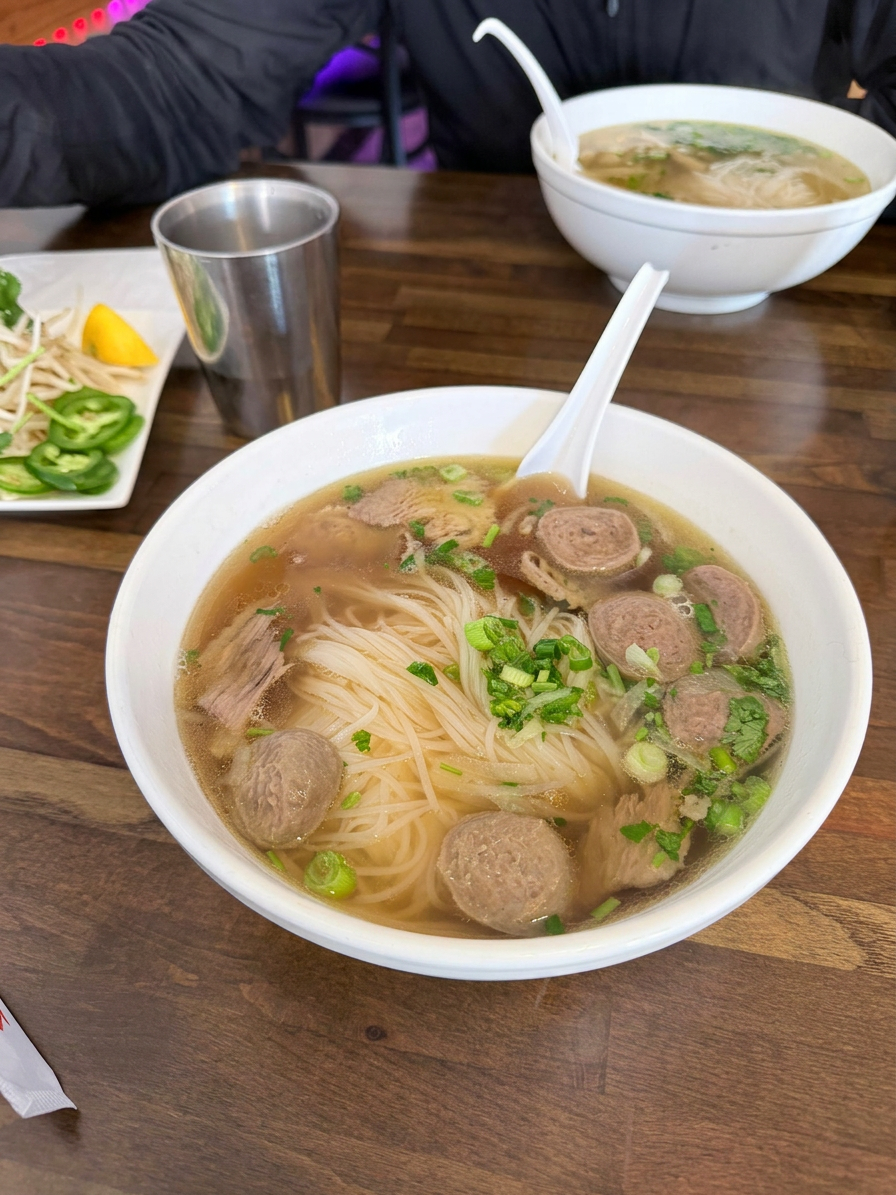
    • Before our late night flight, Amory and I stopped into Julia’s Restaurant for one of our favorite dishes: pho. I ordered the beef pho, and Amory ordered the chicken. Clean, simple ingredients and easy on our bellies pre-flight.

    Forsgren Supermarket ($5)

    • Y’all know it – I love strolling the isles of local grocery stores for those random niche finds. At Forsgren, I found a traditional Samoan candy: lole popo. Three ingredients: shredded coconut, brown sugar, and lemon. And because I have a never- ceasing, all demanding sugar tooth (thanks dad), I ate all four with my morning coffee the next day. Perfecto.
    Sights

    Flights, Pago Pago Airport, and Rental Car

    Getting to and around American Samoa can be the most tedious and expensive part of visiting the island. Flights to Pago Pago from Honolulu are only available Mondays, Tuesdays, and Thursdays. Amory and I flew in on a Monday night (arriving at the Pago Pago International Airport around 10 pm) and flew out on a Thursday night (leaving Pago Pago around 11 pm). We flew in from LA with layover in Honolulu. When leaving, we flew back to Honolulu and then flew to Kahului for our Hawaiian portion of our 63 in 365 journey. All these flights (via Hawaiian airlines) costed us roughly $1,200 each. The flights to and from Honolulu were right at 6 hours each. Jet lag? Yup. Expensive? Yup. Would I pay this much if I wasn’t pertinent about visiting all the national parks? Truthfully, no. Like I said initially, it’s tedious and expensive to get to American Samoa, and at times, it felt more like a chore than a vacation. Does that mean I discourage you from going? Nope. Do I regret it? Nope. But would I do it again? No. Cancel me for that insight if needed – but it’s my truth lol.

    Books, bites, insights? Be sure you have your passport. It will be checked multiple times upon your arrival. And with flights only being three days a week, list out all the things you want to do while on the island and then decide how long you want to spend there. In my opinion, Monday to Thursday was plenty of time to explore all the things.

    When renting a car in American Samoa, buckle up. Our rental car experience was confusing and frustrating at times; however, we look back and laugh on our experience, and we were just glad we had a semi-reliable car to get around in. We rented a Toyota Highlander from Tuanaitau’s Car Rental in Nu’uuli for $190 total. They greeted us at the airport on arrival and were so welcoming (peep my snack lei that they gifted me below). But they were very unorganized. They couldn’t find our reservation, had no idea if we had paid or not, and wanted a cash deposit but didn’t have change. We are flexible and go-with-the-flow people, but we had been traveling for nearly 14 hours, so this was a bit irritating. Once we got our car and started driving, we immediately noticed that it had a miss in the transmission. The car got us from point a to point b throughout our entire time on the island, but it was troubling thinking of what we would do if it broke down. We did not have cellular service while on the island and relied solely on Wi-Fi. Additionally, we flew in at night and had no clue where we were. Again, we had no issues with the car, but the transmission missing every five minutes was concerning. Also, and I hate to say it, the car was filled with cockroaches. They were everywhere in the car. They would crawl on us and our bags. We lifted the mats at one point to find trash, crumbs, and roaches galore. Yuck. Enough said. Last, returning the car was a nightmare. We called the company to let them know we were driving to the airport and would be dropping the car off as per their directions. But they never asked for our names or the type of car or any identifying information. Once at the airport, we spent nearly an hour trying to track them down just to drop off our car. Had something else come up, we would have struggled getting through security and making our flight in time. I had read about “island time” prior to coming to American Samoa – its legit y’all. Be flexible. Show up early.

    Books, bites, insights? While on the island, we talked to someone else who rented a car. He went through Avis and had a much better experience. Not that you will, but I am throwing that tidbit out there.

    Accommodations in Pago Pago: Robert’s Guest House on Airbnb ($550 total)

    If I were to go back to American Samoa, I would hands-down stay with Lillian and Henry again. First, the guest house was pristine: clean and comfortable. It had all the amenities, and I immediately felt right at home. Next, it was conveniently and centrally located – right by the visitor center and just down the road from the Mount Alava trailhead. Last, Lillian and Henry were the most hospitable hosts. They met us at airport because navigating the island can be confusing and cell service nonexistence, they showed us around the island pointing out all the park things, and they guided us to a local hidden waterfall (see sights for more). Our hosts embodied the hospitality and warm Samoan culture I had read about. Books, bites, and insights? The guy who rented with Avis from above? He stayed at Tradewinds and was envious of our accommodations and hosts.

    Highly recommend staying with Lillian and Henry. I am hyperlinking their listing above. Check to see if they’re available. You won’t be disappointed by their hospitality and accommodations.

    Visitor center

    The National Park of American Samoa Visitor Center is open 8 – 3 weekdays in Pago Pago. We stopped in quickly to pick the brain of the park ranger and to get our passport stamps and stickers.

    Books, bites, and insights? There is a wet season and a dry season in American Samoa. We went during their wet season (October through May) – and also, it is a rainforest. Keep this in mind when planning your trip. Did we let the clouds, rain, and mud stop us? Nope. But the weather was unpredictable. And in no way could we rely on the forecast. It was forecasted to be rainy for our entire visit, but we actually had one cloudy day, one rainy day, and one clear, sunny day. So, all’s well that ends well. But as mentioned above, it is expensive to visit here, so if you want a better chance of clear, sunny skies, plan your trip during the dry season.

    Trails in National Park of American Samoa

    There is a lot of natural beauty to be seen and explored in American Samoa, but many trails and sights are underdeveloped, overgrown, not marked well, and sometimes not maintained (even the ones in the national park themselves). Books, bites, and insights? Come prepared for jungle hikes. Breathable clothing, waterproof shoes, raincoats. Additionally, do yourself a favor and get the premium version of AllTrails. Why? You can pre-download the trails and use satellite technology to navigate them. Without this, Amory and I wouldn’t of been able to locate most trailheads. Most trails you could follow once you found them, but finding them was the tricky part. But Natalie I don’t want to pay for the premium version. Listen babe. You paid so much to get out to the island. Just grin and bear it. The trails are epic and unique. But the flora of the island is unrelenting – making finding where to go or where to start so cumbersome.

    • Lower Sauma Ridge Trail (0.5 mile in-and-out): small parking lot along Route 006, great view of Pola Island which is known as being a nesting area for seabirds, slick stairs going down to viewpoint but easily done, perfect for watching waves crash along the volcanic shore. Being one of my favorites of the trip, the Lower Sauma Ridge Trail is a short, easy to follow jungle hike.
    • Pola Island Trail (1 mile in-and-out): confusing parking situation (pull past signage seen below and park to the side – we parked in the wrong spot but were redirected by a local). The Pola Island Trail is easy to follow, and very flat. It follows along a rocky shore with lots of hermit crabs, cane toads, and island birds. Because of the strong tide, there is a good bit of trash washed ashore and not an ideal place for swimming or snorkeling.
    NPS signage at beginning of Pola Island Trail
    • Taufanua Trail (1.3 mile in-and-out): an adventurous jungle hike that should not be done in wet conditions and not really worth it IMO. Located right near the Pola Island Trail, parking is tricky. You can park near the Pola Island Trail trailhead and walk back-up the road to the Taufanua trailhead, but the tail does have its own parking signage on the left hand side of the road right after crossing a drainage bridge.The trailhead isn’t marked which is where AllTrails premium can come in clutch, but the trail is easy to follow once you’re on it. So why is it not worth it IMO? While the hike is adventurous and takes you through dense jungle forest, it requires a lot of navigating over narrow ledges, climbing up lots of steep ladders/stairs with ropes, and crawling over downed trees. And what is the reward for all this effort? A secluded rocky, pebble beach with a view of Pola Island… the same type of secluded rocky, pebble beach with a very similar view you get from the Pola Island Trail.
    • Mount Alava Trail (7.5 mile in-and-out): with the best views in the park once you’re at the top, this “trail” is a very muddy but easy to follow road and will take you 3/4ths of the way to the peak – the rest of the trail up is a path through tall, overgrown grass. There is a metal staircase with broken steps (be careful) to tippy top where you can get better panoramic views of the island and the Pago Pago harbor below. Unlike the other trails, this trail has a clearly marked parking lot to park in. Books, bites, insights? This trail is very epic, but it does feel like you’re just walking along a road until you get to the top. There weren’t many viewpoints along the way, but the view at the top was well worth the hike up.
    • Fatifati Auala Trail (5.8 miles to Mount Alava summit): an unmaintained alternative ridge trail that leads to Mount Alava. This trail to the peak is more of a trail and less of a road; however, Amory and I had to turn around a few miles into the trail because of downed trees. The trailhead shares the same parking lot with the Mount Alava trail, and if it were maintained better, would be a preferable route to the peak. Also, this trail isn’t on AllTrails unfortunately. We found it via the brochure from the visitor center.
    Underdeveloped, steep path on Fatifati Auala Trail

    Sights outside of National Park

    • Fagatele Bay: One thing Amory and I learned quickly while exploring in American Samoa is that things are hard to find. We knew of places. We would see the signs for places. But actually getting to the place? Ha. Your best bet is to rely on locals. We would roll our window down and ask. But I know that for many, that feels sketchy or unsafe. And truthfully, it felt that way for us too. But we leaned in, thought screw it, and are so glad we did. When trying to find how to get to Fagatele Bay, we drove up to a house at the end of the road where a sign had led us. A man stopped us and told us we had to pay to park, $20 each – which we were fine with. I had read about this online, so we were prepared. We handed over our $40 and continued down the road. Once we started parking someone else came up to us and said we had to pay to park and told us it would be $20 total – only $10 each. This is where we laughed and told the man we had already paid. He asked us how much, and we told him – and he looked shocked. He asked who we paid, and we pointed- and then he began cursing in Samoan. Regardless, he let us park and pointed us toward the direction of the bay. There really wasn’t any clear path or trail. We blindly walked for about a mile, but omg… what we stumbled into was straight out of a movie. A beautiful and secluded white sand beach. A lively coral reef with the most vibrant marine life I have ever seen – hands down the best snorkeling experience I have ever had. And so many volcanic sea arches. $40 doesn’t sound so bad after all.
    • Faga’alu Waterfall: This hidden jungle waterfall was breathtaking, but without the help of our Airbnb hosts, we wouldn’t of been able to find it. Like I mentioned above, ask the locals. Ask the gas station people, the park rangers, your hosts, or your servers. There are amazing things to see and do outside the park, but nothing is routable to and the rusted, outdated road signs will only get you turned around. The Samoans are warm, friendly people, and if you start conversation with them and tell them what you’re interested in seeing or doing, they will typically offer up information on all the surrounding hidden gems.

    And that’s a wrap on my time in American Samoa. Thanks for making it to the end of this post. I have really enjoyed using this space as a creative outflow and sincerely appreciate any and all who follow along.

    A 63 in 365 update: Amory and I have officially been on the road, living in our car for 2 months. Frankly, I am exhausted, especially with all the flying – bleh, airports. I miss the comforts of an apartment – and cold almond milk. But I am living in the here and now, and basking in the temporariness of it all – how could I ever complain. With love, love, love. Xoxo. And as the Samoans say, toe feiloa’i – until next time.

  • January 29th – January 31st, 2026

    I have always heard that a rolling stone gathers no moss, and, while Amory and I love to do all the things in all the places while traveling, when we made it to the desert town of Joshua Tree, California, we were both in need of moss gathering.

    Quick personal story.

    When I was teaching in Nepal, my Nepali colleagues would catch me reading and basking in the sun on my lunch break and say in Nepali, “Wow Sita Miss, you are so lazy.” And I would have the biggest knee-jerk reaction to this, but because my Nepali was rudimentary and because I am at heart a people-pleaser, I would just laugh it off, especially at first. But this idea and verbiage of lazy kept coming up. Every day my counterparts would call me lazy – alchī in Nepali. And I would ruminate on it all day, thinking, “I am not lazy. I am the most hard working person I know. How dare they call me lazy. Don’t they see how hard I work? Do they not like me?”

    When I brought this up with Laxmi, my peace corps mentor and a Nepali national, she couldn’t understand why I was so upset. I explained to her that I felt insulted, and she asked why. And I remember thinking, “Why? Seriously? Lazy is bad. Calling someone lazy is extremely insulting.”

    After listening to me rant and rave about this four-letter word, Laxmi explained to me that my frustration was rooted in a cultural misunderstanding.

    She explained to me that in Nepal, rest is important. Rest is needed. Without rest, you cannot do your work, and you certainly cannot do your work to the best of your ability. And how do you rest? By being lazy. When my counterparts were calling me lazy, they weren’t trying to insult me. They weren’t trying to motivate me to get back to work. Rather, they were honoring and acknowledging my ability, and privilege, to set aside time for myself and for rest.

    This is lightyears away from how we view rest and being lazy in the states. Here we must multi-task and mark all the things off our to-do lists daily – or else. Or else we can’t complain about what we don’t have. Or else we are seen as lacking. And, like most, I hold myself to this toxic standard and even catch myself perpetrating it onto others.
    I am exhausted from the constant grind, but I still can’t allow myself to be lazy. I can’t allow myself rest. I must be a constant walking, talking go-getter. From the moment I wake up to the moment I lay down. Why? Because if I am not being productive with every millisecond of my life, with every thought, I am a failure. But rest is not failing. And being lazy is how you rest.

    When week 3 of our trip hit, Amory and I needed to be lazy. But it felt wrong. I kept thinking: What else can we do here? Should we go try out another trail? But what if we miss something? We won’t be here again. I don’t want FOMO. I need to be doing something. I have five minutes. What else can I get done?

    But what I needed to be doing is what I forced myself to do: rest and be lazy. Reader – I know you’re like me. You also feel the pressure to always do. More. More. Never stop. Never rest. But I swear – fight it. Less is more. Take rest. Be lazy.

    While it didn’t come naturally and was a bit uncomfortable initially, my lazy days in Joshua Tree National Park amongst the jumbo rocks and sprawling Joshua trees have been some of my favorite days of this journey thus far.

    Books
    The Book of Joy by 14th Dalai Lama, Desmond Tutu, and Douglas Abrams

    4/5 stars

    My journey with spirituality is complicated. I grew up Christian, fell off and dove deep into both nihilism and atheism in college, began ascribing to a secular form of spirituality when I began teaching, and am now a practicing Buddhist.

    With all that being said, my spiritual journey is my own, and I feel no need to explain nor define my spirituality to anyone but myself. I do however love long heart-to-heart and head-to-head discussions about life with open-minded and non-judgmental folk.

    But one thing I have learned through my spiritual practices is that it does require practice. I will find myself going through periods of time without taking any timein my day to meditate, practice gratitude, or do devotions. And these time periods are typically the ones where I feel least joyous, least grateful, least mindful, and most attached. As inconvenient as it may feel, spirituality requires a bit of time and effort. And for me it needs to be daily.

    I first began reading The Book of Joy last Summer (and to be truthful, I am still not finished). Personally, I feel these types of devotional, non-fiction books are best read in small, daily chunks to better serve as gentle reminders in print to step outside of my ego and thought patterns.

    If you’re interested in better understanding the differences in happiness and joy or would like the reminder of how interconnected and one-in-the-same all of humanity truly is, then I suggest you check this book out. Below are some of the quotes that have resonated most with me so far:

    • “… many of the things that undermine our joy and happiness we create ourselves.”
    • “If something can be done about the situation, what need is there for dejection? And if nothing can be done about it, what need is there for dejection?”
    • “We try to control the moment, which results in our feeling that what is happening should not be happening. So much of what causes heartache is our wanting things to be different than they are.”
    • “… when we see how little we really need – love and connection – then all the getting and grasping that we thought was so essential to our well-being takes its rightful place and no longer becomes the focus or the obsession of our lives.”
    • “Think about where you are suffering in your life and then think about all the other people who are going through a similar situation. This perhaps is quite literally the birth of compassion, which means “suffering with”.
    Bites

    Joshua Tree Farmer’s Market ($50)

    • Every Saturday from 8 – 1 in Downtown Joshua Tree there is a local farmer’s market. Luckily Amory and I were in Joshua Tree on a Saturday, so we decided to swing by. Nothing is worse than when I roll into a “farmer’s market” and its really just a craft fair, but this was not the case in Joshua Tree. This farmer’s market was a true farmer’s market in that it had local vegetables, fruits, baked goods, and meats available to purchase.
    • My favorite find was Cherry’s Famous Rugelachs. Books, Bites, Insights? A rugelach is a traditional Jewish crescent-shaped cookie – rugelach is yiddish for ‘little twist’. And the owner, Cherry, has worked hard to perfect a vegan, gluten-free version of this pastry. We met Cherry himself and were immediatley sold by his charisma and charm. He offered us free samples. And how could we walk away from free samples. After trying three different flavors, we went with the cinnamon raisin nut. If you’re interested getting some rugelachs for yourself, they do ship! Here is his website: https://cherrysfamous.com/home/
    • Every booth at the market took both cash and card. A few of my other favorite purchases are pictured below.
    Pancakes topped with Farmer’s Market Berries ($14 for berries)
    • Buckwheat pancakes and fresh, local berries from the Joshua Tree farmer’s market. The picture speaks for itself – nothing left to say.
    We used four simple ingredients to make these cakes: Arrowhead Mills’ Organic, Gluten-Free Buckwheat Flour, Lucini’s Extra Virgin Olive Oil, a dash of salt, and water.

    Frontier Cafe in Yucca Valley, California ($45)

    • While a bit on the pricer side, Frontier Cafe gave Amory and I a yummy, clean, and nutritious meal, hot coffee, free WiFi, nice restrooms, and ample outlets. We stayed here for nearly two hours working on all the things and enjoyed the ambiance, amenities, and food. They had plenty of vegan and gluten-free options and far surpassed the other cafes we visited in Joshua Tree.
    Frontier Cafe’s menu
    Sights

    Day 1: Driving-in and easy hikes

    • After driving nearly five hours on I-10 from Saguaro National Park, we got to the Cottonwood Visitor Center near the Southern entrance of Joshua Tree National Park around noon. At the center we were able to check-off all the things: passport stamps, bathrooms, stickers.
    • Since we didn’t have much time on our first day, we decided to explore all the rock trails including: Heart Rock and Arch Rock via the Arch Rock Trail (1.7 miles in-and-out), Skull Rock (less than 300 feet from the road near the Split Rock Loop trailhead), Face Rock via the Split Rock Loop (2.5 miles loop). All of these trails were very easy, well-marked, and full of the name-sake Joshua trees (which I found out are not actually trees but succulents). Books, bites, and insights? Kids would love these trails. I had such a blast climbing on and atop of all of the rocks. The rocks are super grippy and easy to climb, but, as always, use caution.
    • After hiking, we set up camp at the Jumbo Rocks Campground which was located right behind Skull Rock. This campground costed us $30 for the night, was nestled amongst literal jumbo rocks, had a picnic table at every site, and pit toilets. There was no cell service or potable water available.
    Jumbo Rocks Campground

    Day 2: Sunrise and medium hike

    • If you want to catch a sunrise at Joshua Tree, make your way to Keys View. You can pull up and park at this overlook to get a beautiful view over Palm Springs and the Salton Sea, but to get a more panoramic view, hike up to Inspiration Peak. The trail was super windy that morning and a bit tough to follow in the dark – so bring your windbreaker and headlamp if you’re going to go for a sunrise. We hiked 3/4th of this 1.9 mile out-and-back trail. We only went up 3/4ths of the way because we noticed that the elevation was dropping (thanks AllTrails) and wanted to stay at the highest point for sunrise. Books, Bites, Insights? I always use the AllTrails app when navigating trails. Not only can it guide you when trails are not well maintained, but it will also tell you how much elevation you’re gaining or losing. I’ve linked my AllTrails account at the bottom of this post. Feel free to check it out.
    Inspiration Peak via Keys View
    • After sunrise, we did the 6.4 mile Maze and North View Loop Trail, but personally I would skip the North View portion of the trail if I were to do it over. I read a few reviews (again, thanks AllTrails) that claimed that the North View portion of the trail was “wide, sandy, and boring”, but I wanted to see for myself. Turns out the reviews were accurate lol. Cutting out the North View portion will save you 1.5 miles.
    • To end day 2, instead of rushing to check out another trail, we made our way to the Indian Cove Campground ($35 a night). This was my personal favorite campground in Joshua Tree National Park; however, it wasn’t located right by any trails that we were planning to do. What I loved about the campground was that the sites were snug between two towering jumbo rock walls – perfect for winding down and practicing yoga; however, if you’re a creature of comfort, note that there are only pit toilets, no potable water available, and the cell service is unreliable.

    Day 3: Long hike

    • My favorite hike in Joshua Tree was the Warren Peak via Black Rock Trail and Panorama Loop (7.9 mile loop). We hiked the trail counterclockwise so that we could do the peak first and the canyon last. If you do it counterclockwise, the first few miles are easy with only a mild gain in elevation. Once you break off to do the peak portion, get ready – the elevation gain on this leg of the trail is intense but doable and well-worth it once at the peak. Once you descend, you’ll come through a beautiful canyon filled with yuccas, goldenbush, and desert shrubs.
    • After hiking the Warren Peak and Panorama Loop, we set up camp at the Black Rocks Campground ($35 a night) which was less than a minute from the trailhead – and so nice because we were so pooped after. We played a few rounds of cards at camp, made pancakes with our farmers market berries, and watched a few episodes of Snapped before settling down for the night. This campground had the most amenities of all the ones we stayed at: a few bars of spotty cell service, clean bathrooms with flushable toilets and sinks, trash receptacles, and water spouts with potable water.
    Black Rocks Campground

    Day 4: Sight-seeing

    • Before leaving Joshua Tree, we drove 15 minutes north to the Noah Purifoy Desert Art Museum. This is a free, outdoor desert art museum filled with folk-art sculptures made of junked materials. The museum is open from sunup to sundown 365 days a year.

    Happy trails to you reader – if you’re interested, I’ve hyperlinked my AllTrails account below (click on the picture to be redirected). And as always, I will link @AmoryWild’s vlog of our time in Joshua Tree once he uploads it. Xoxo, until we meet again. Take care, and take rest.

  • January 27th – January 28th, 2026

    “Live as if you were to die tomorrow. Learn as if you were to live forever.” – Mahatma Gandhi

    The short term goal of my 63 in 365 journey is to visit all 63 national parks in 365 days or less, but my long term goal: continue to rediscover self. After graduating college in 2020 and starting my career in teaching, I felt more accomplished, more motivated, more proud, and more alive than I had ever felt in my entire life. I snagged my first apartment, started my first salary job, could afford to take myself on vacation, and was buying name brand clothes off the rack. Things I had only dreamed of while scraping by in college. However, after a few years, the excitement and novice of all the listed above wore off. And I would beat myself up over this sentiment. I would think, “Show gratitude for what you have. Be content.”

    But after years of telling myself this, I couldn’t force contentment any longer. I began journaling and reflecting on what I wanted to do with my life, my time, and, most importantly, my energy. And that is when I pin-pointed my “problem”: I have commitment issues.

    After continued meditation, I came to the conclusion that this wasn’t a problem to be fixed, but a calling for me to be more intentional, to step outside of my cozy-comfort zones, and to begin abandoning things in my life that were no longer bringing me joy. In our society, commitment is linked to loyalty and discipline. Being committed or seeing things through is seen as a strength, but I was sick of enduring for the sake of showing others how committed, how loyal, and how disciplined I could be.

    Something had to give.

    But I felt stuck. Even more so, I felt terrified to let go of all the things I had worked so hard to attain – the apartment, the career, the coworkers, the name-brand material possesions. But like I said, something had to give, so I began googling: What can I do with a teaching degree? And that is the tiny spark that got me to take one of the biggest leaps of my life. I sold all my things (seriously) and joined the Peace Corps.

    Even though I had to be medically separated from the Peace Corps before finishing my service, I regret nothing. That experience taught me so much about myself and helped me to overcome my fear of letting go.

    I began to just do. Do more of what brought me joy regardless of the cost or judgement from others. Which is the reason I was able to say with confidence, “Sure. Why not?” when my boyfriend purposed the idea of this 63 in 365 journey.

    Long rant over. How does this sentiment link to my experience at Saguaro? I found myself in my element here: learning and experiencing new things. From learning about the different types of cacti in the Sonoran Desert to chatting with the different desert folks I ran into along the way, I walked away from Saguaro wiser and happier – which is the intended outcome of my 63 in 365 journey and ideally should be a lifelong practice like Gandhi alluded to above.

    Books

    Nightcrawling by Leila Mottley

    5/5 stars

    Where do I begin with this novel?

    Let me start by saying – I am a hard critic. Or at least I like honest reviews. I rarely give anything 5/5 stars – Airbnbs, Ubers, books on Goodreads, movies, anything. Seriously. My boyfriend gives me hell about it.

    On Goodreads very few books even get 4/5 stars from me so giving Nightcrawling 5 stars is really speaking to how much I valued and enjoyed reading this book.

    Trigger warning: Did I have to put this book down multiple times because I was crying? Because I felt nauseous? Because Mottley continuily knocked the the wind out of me with words alone? Yes, yes, and yes. This book made me feel, physically and emotionally.

    In Nightcrawling, Mottley brings alive and gives us all a gut-wrenching reminder of the struggles, of the oppression, and of the demoralizing ultimatums women, queers, and people of color face daily while just trying to be and survive in one of the wealthiest countries in the world: America. Of all the books I have read in 2026, Nightcrawling is now at the top of my recommendations.

    PS If you’re a list/log person like myself and use Goodreads, peep my Goodreads account hyperlinked at the end of this post and add me.

    Bites

    Annie’s Organic, Gluten-Free Vegan Mac ($5)

    • Saguaro is located on both sides of Tucson, Arizona; however, Amory and I did not venture into the city during our stay. Instead we opted for a cheap, convenient bite. The childhood classic and a staple food for my nieces and nephew- a big bowl of macaroni and cheese. But as you know, Amory and I have all the sensitivities, so we snagged the boxed Annie’s Organic, Gluten-Free Vegan Mac. After a long day of hiking, we boiled a pot of water, cooked the noodles, added the vegan cheese powder, sprinkled on some salt, pepper, and paprika and chowed down.
    Truth be told, Amory and I enjoyed this meal more than many of the other complicated ones we have made on our 63 in 365 journey, so Annie’s Vegan Mac is now a staple we keep in Tata: quick, easy, cheap, tasty, filling, and fun.
    Sights

    Camping near Saguaro National Park

    • Saguaro doesn’t have any campgrounds in the park. They do offer wilderness camping inside the park if that is your thing. If not, check out Gilbert Ray’s Campground. Amory and I snagged two nights here for $35 a night, which is a bit more than other campgrounds, but we felt that the accommodations were well worth what we paid. They had clean restrooms, trash and recycling receptacles, potable water, plenty of cell service, and a dish-washing station (with a high powered spay-nozzle and hot water). The campground is located about ten minutes from the Red Hills Visitor Center of Saguaro West.

    Trails

    • Bridal Wreath Falls Trail (out-and-back, 6 miles), Ernie’s Falls Trail (out-and-back, additional .5 mile from the Bridal Wreath Falls junction): These trails are in Saguaro East, 20 minutes from the Rincon Mountain Visitor Center, are relatively easy hikes with about 1,000 feet elevation gain, and, my personal favorite, filled with the infamous and towering Saguaro cacti – amongst a plethora of other types of Sonoran Desert cacti. Books, Bites, Insights? Play cacti eye-spy while you hike around in Saguaro. Look up different cacti species prior to your hike, and try to check them all off your list.
    You do have to climb down an embankment off of the Ernie’s Falls Trail to get down to the base of Ernie’s Falls, but it wasn’t anything drastic, and we were able to get up and down the rocky slope without much effort.
    • Wasson Peak via Kings Canyon, Hugh Norris, and Gould Mine (8 mile loop): The highest peak in Saguaro, Wasson Peak, is in Saguaro West and only 5 minutes from the Red Hills Visitor Center. This trail offered distant views of Tucson and panoramic views of the surrounding Sonoran Desert and Rincon Mountains. Books, Bites, Insights? We hiked the trail counter-clockwise to avoid a steep descent.

    Nearby Sights

    • Arizona-Sonoran Desert Museum ($30 per person): Located ten minutes from the Red Hills Visitor center in Saguaro West, the Arizona-Sonoran Desert Museum is the place to go to learn all about the Sonora Desert. Nearly two-miles of walking paths through the many different Sonoran Desert landscapes and ecosystems. An aquarium. A hummingbird aviary. Multiple desert botanical gardens. Wolves and javelinas. A natural history museum. Multiple cafes. And more. Some reviews say the museum was underwhelming. I didn’t agree with this sentiment. While some exhibits were empty or closed for the season, I felt that this museum was what it should’ve been: focused on educating about the Sonoran Desert, both its past and present. Many zoos or museums have things from all over that draw the crowds (which is great), but the Arizona-Sonoran Desert Museum was concentrated on the Sonoran Desert, and I appreciated that about it.

    Sending my love to you reader. If you enjoyed this post, share it on all your socials. If not, let me know why. Don’t be shy. Talk later. Xoxo. And as always, Amory’s vlog, @AmoryWild, will be linked below.

  • January 21st – January 23rd, 2026

    After leaving out of Houston and heading down I-10 West for nearly nine hours, Amory and I finally arrived at the northern entrance of Big Bend National Park – the Persimmon Gap Visitor Center.

    We spent three nights camping in Big Bend – two nights at the Chisos Basin Campground ($35 total). One night at the Rio Grande Village Campground ($16 total).

    The Chisos Basin Campground is scenically superior and more conveniently located to all the things than the Rio Grande Village Campground; however, the Rio Village Campground offered much more (and much needed) amenities.

    Unfortunately during our stay the Chisos Basin was in a level 3 water emergency, so there was no running water and the restrooms were closed. Additionally, there is no signal nor Wi-Fi in the basin (or much of the park), so check your emails and send your texts prior to driving into Big Bend.

    Because we planned to do both the Window Trail and Emory Peak on the front portion of our trip, the Chisos Basin Campground was the perfect location to camp for our first two nights. The early morning sunrises off the surrounding scenic mountains was well worth packing in the extra water and using the dreaded portable toilets.

    Be sure to get reservations early for the Chisos Basin Campground (pictured above) if you’re interested in staying in the basin – especially during the busy season or over a weekend.

    The Rio Grande Village Campground is located in the southern portion of the park, nearly an hour drive from Chisos Basin. Because of what we had planned for our third day in Big Bend (crossing into Bonquillas del Carmen), the campground was ideally located. And I will say, this campground came in clutch. Free and fast wi-fi, gasoline, hot showers (5 minutes for $2), and laundry ($1.50 per load). Ahh – just what Amory and I needed after primitive camping the two days prior.

    Our site at Rio Grande Village Campground was snuggled into a grove of cottonwood and acacia trees.
    Books

    Verity by Colleen Hoover

    3/5 stars

    I want to start this portion of the post by talking about read-alouds. Yes. Read-alouds. Think back to elementary school. The smell of crayons. The giant rainbow floor rug. You sitting criss-cross apple sauce, legs going numb. Your teacher reading aloud to you in the most animated voices (give her an Oscar already). And you maybe paying attention, maybe not – maybe daydreaming about all the things a nine-year old daydreams about. But how great were those times. As a ex-elementary school teacher, I had the delight to conduct many read-alouds over my six year career. And hear me out. I understand. You’re 20-something. Or older. But don’t let the read-alouds die. It is free, it takes little to no effort, and it soothes the soul. If you have never read a novel aloud with someone else, you should. The back and forth banter of you and whomever you’re reading to as the characters do all the things characters do makes reading that much more worthwhile. The wide-eyed, mid-sentence, open stares at one another when you read something shocking or the in sync audile ‘nooooo’ after a character makes an ill-advised decision. And don’t get me started on the in-depth, conspiracy arguments you will have as you both try to predict what will happen next.

    Circling back to those conspiracy conversations – that is what Amory and I had all throughout our read-aloud of Colleen Hoover’s Verity. You heard that right. I read Verity aloud to my boyfriend. Truthfully, this is not the first steamy mystery smut novel I have read-aloud to Amory. We have read many Freida McFadden books together (lol). But this was by far the most sex-filled.

    Trigger warning: sex, sex, and more sex. Verity has tons of it, but the sex didn’t overshadow the plot. If these types of books are your type of books (if you know, you know), I say read it, especially in a read aloud format because you’ll be constantly guessing which characters have secret motives.

    I haven’t been disappointed with any of Colleen Hoover’s works, but I did preferred Verity to her It Ends With Us and It Starts With Us collection. In terms of works of art that will go down in history – masterpieces of fiction. Maybe not. I gave the novel a 3/5 stars on Goodreads. Critical hit? Not to me. It is a well written novel that is engaging, fun, and a good distraction from reality; however, that’s all it really is. It isn’t a book I would shout from the mountains, “You MUST read this.” But Amory and I both enjoyed it and would recommend it – again, if mystery smut is your thing.

    PS beloved reader, if you decide to do a read-aloud after reading this, comment and tell me what book you read, with whom, and how did it go. I would love to hear for you all. My favorite part of reading a book is taking about the thing – hence my love for the read-aloud and the existence of this blog.

    Bites

    At the Chisos Basin Campground store, we snagged the Dark Skies organic, fair-trade, kosher ground coffee by Big Bend Coffee Roasters for $8. Not only was the coffee good, but I felt it was aptly named – Amory and I were starstruck (ha) with the night sky at Big Bend. Because the park is a designated dark sky destination, Big Bend had amazing stargazing opportunities, especially in the Chisos Basin.

    Before taking off from Nashville, I bought an Aeropress for the trip, and I loved using it. It is light and compact, and the cup of joe that I get in under a minute with the Aeropress is hands down better than any French press or pour-over I have used.

    After using the Boquillas Crossing Port of Entry on our third day in Big Bend (more info on this in in the sights portion below), Amory and I went to Jose Falcon’s Restaurant and Bar in Boquillas del Carmen, Mexico. At Jose Falcon’s I ordered the goat street tacos ($10) on corn tortillas (peep my photo dump above). Simple street tacos adorned with only meat, onions, cilantro, and lime – yet so tasty. And many people I know quickly turn their noses up at goat meat – not me. I first had goat during my time in the Peace Corps in Nepal, and now I always order goat when given the opportunity. Never had goat? It is so tender after slow cooking. Give it a shot sometime.

    The view from the back patio at Jose Falcon’s Restaurant and Bar. Books, Bites, Insights? The restaurant prefers you pay with cash, and while I was able to practice my Spanish in the town and at lunch, the menu was in English and most everyone we spoke to was bilingual.
    Sights

    Day 1

    • After coming in the northern entrance of Big Bend at the Persimmon Gap Visitor Center, we made our first stop at the Fossil Discover Exhibit. We spent less than 20 minutes here. Need a restroom break? They had pit toilets on site.
    The Fossil Discover Exhibit shows a 130 million year geological timeline of Big Bend National Park and has a short trail to a view point.
    • Next, we made our way to the Chisos Basin Visitor Center for our passport stamps and campground check-in. The visitor center is small and doesn’t have much information or exhibits, but there is a general store next door where I bought the mentioned Dark Skies coffee in the bites section above.
    • After parking at our tent site, we walked to the Window Trailhead. The Window Trail is a easy to moderate 4 mile in-and-out hike through a canyon to a stunning, vast “window” desert view. Along the way, we saw so many birds including many Mexican Jays.
    One of the trailheads for the Window Trail is located in the Chisos Basin Campground making it so convenient if you’re camping in the basin.

    Day 2

    • To kick off day two, we took on Emory Peak, the highest peak in Big Bend NP at roughly 7, 800 feet. This 9.5 mile in-and-out trail is moderate to hard difficulty but has rewarding 360 views of Big Bend once on the peak. Again, Amory and I were able to walk from our campsite to the trailhead, so if you’re considering either of the hikes I have mentioned so far, consider staying in the basin. Books, Bites, Insights? The wind was a bit intense at the top, but nothing too extreme, and to make it to the true peak, you have to (and I use this term loosely) rock-climb.
    • After lunch, Amory and I made our way about an hour south of the Chisos Basin to the Santa Elena Canyon. We had not planned to go to the canyon but had extra time and figured why not. If in Big Bend, don’t skip the 1. 5 mile round-trip Santa Elena Canyon Trail. I have mentioned this on here before: one of my favorite aspects of travel and nature is the always unique and always inspiring color palettes. Santa Elena Canyon delivered. The emerald green Rio Grande against the mosaic red canyon walls. And to top it off, we saw a distant rainbow while exploring the canyon.

    Day 3

    • For our last day in Big Bend we crossed the border into Mexico to explore the village of Boquillas del Carmen. The logistics of this include: use the Boquillas Crossing Port of Entry (a US passport is needed to reenter the US) to cross the border into Mexico, pay the $8 cash fee to the Maderas del Carmen Protected Area upon entry into Mexico, pay $5 cash to cross the Rio Grande via rowboat (and the $5 gets you a roundtrip, so no need to pay again when returning), and walk less than a mile into the village of Boquillas del Carmen. The village itself is very small with not much to do but offers a unique experience. I had never been to Mexico and looked forward to practicing my Spanish. A lifelong goal of mine is to be bilingual, and I have been actively studying for two years now. While in town Amory and I had lunch at Jose Falcon’s which I wrote more about in the bites section of this post, and I snagged a handmade bracelet for $5. Books, Bites, Insights? The port is only open Friday through Monday, the village is cash only, and you’ll only need three hours to get the fullest experience.
    • To end our time at Big Bend, we made our way to the Rio Grande Village Campground, checked-in, walked the short and simple 1 mile Nature Trail at the campground, showered and did laundry inside the campground general store, and then called it a night.

    Big love for Big Bend and big love for you reader for making it this far in my post. Don’t forget that you can watch Amory’s Vlog @AmoryWild to learn more about our time in Big Bend National Park and to stay up to date on our 63 in 365 journey. XoXo reader, until next time.